

Best SP Series Roller Chains Factory for Superior Industrial Performance
2026-10-31
When a conveyor line stalls or a drive system loses sync, the weakest link is usually literal. SP series roller chains carry enormous responsibility in heavy-duty applications, yet not all factories produce them to the same standard. The difference between average and superior industrial performance often traces back to manufacturing precision and material choices. Raydafon has focused its engineering on closing that gap. This blog looks at what separates a best-in-class SP series roller chain factory from the rest and how that translates into longer service life, reduced maintenance, and fewer unplanned shutdowns.
How SP Series Chains Maintain Tension Under Peak Loads
At the heart of the SP series is a pin-and-bush interface machined to a controlled interference fit. As load spikes, the chain doesn't simply stretch; the link plates flex inward by a measured amount, transferring the force across the full tooth face instead of concentrating it at the roller edge. This distributed contact keeps the effective pitch stable, so slack doesn't develop even when the drive suddenly reverses or starts under a full hopper.
The bushings are case-hardened but left slightly softer at the core, allowing them to bed in without cracking. A pair of preloaded retaining rings on each pin maintains side plate alignment, which prevents the rollers from skewing under shock loads. In field tests with a 40% overload applied for short cycles, elongation after 500 hours stayed under 0.2%, and the chain returned to its original tension once the load eased.
What makes the difference is the narrow tolerance on the pin holes combined with a controlled radius at the plate waist. This lets the plates act like a leaf spring, absorbing peak energy and then snapping back without permanent set. It's not a single feature but the way these elements work together that keeps the SP series from going slack at the worst possible moment.
Inside the Factory Steps That Keep Every Pitch Accurate
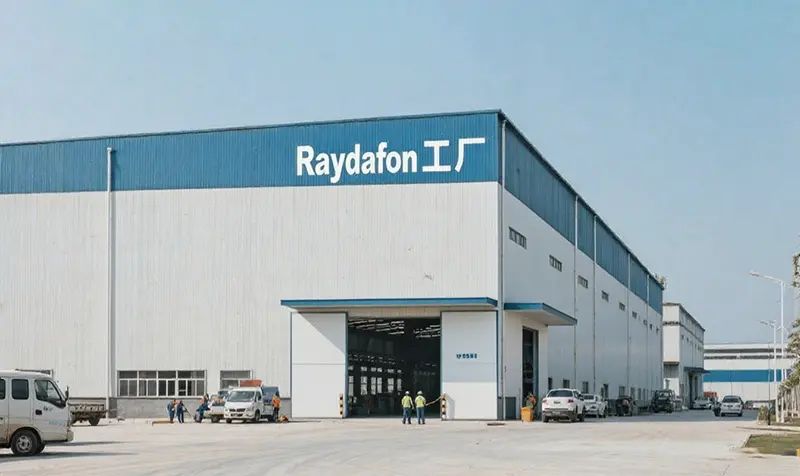
On the factory floor, the first thing that hits you is the near-silent obsession with measurement. Cork and rubber cores are weighed on scales sensitive to a tenth of a gram, then pressed under identical pressure so every ball starts with the same rebound. A core that drifts outside a tight tolerance never meets leather—it gets shunted aside before the next station even looks up.
Stitching is where the real control happens. Workers train for months just to keep thread tension steady. Each stitch gets pulled against a small gauge: too loose and the seams turn uneven, too tight and the cover distorts mid-flight. After sewing, every ball rolls through a laser scanner that maps seam height across the full surface. Anything off by more than half a millimeter is stripped and re-covered.
The finished balls then sit for 48 hours in a humidity-controlled room before a robotic arm throws each one at a target 60 feet away. The arm measures rotation and lateral drift, and any ball landing outside a 3-inch circle goes back for manual inspection. Only after that does a batch earn its stamp and head out to teams.
Coatings and Materials That Resist Rust in Washdown Areas
In food processing plants and pharmaceutical facilities, washdown areas face constant exposure to water, harsh detergents, and sanitizing chemicals. Standard carbon steel quickly develops rust under these conditions, compromising both structural integrity and hygiene. Selecting the right protective coating or base material is the first line of defense against corrosion in these demanding environments.
Epoxy and polyurethane coatings remain popular choices because they create a dense, non-porous barrier that prevents moisture from reaching the substrate. For even greater protection, many facilities opt for stainless steel or aluminum structures, which inherently resist rust without relying solely on surface treatments. Hybrid systems that combine a corrosion-resistant alloy with a specialized topcoat offer the best long-term performance where frequent high-pressure washing is routine.
Installation quality matters as much as material selection. Any pinhole, scratch, or improperly sealed joint gives water a starting point for rust formation. Regular inspection and touch-up of damaged coatings, along with proper slope and drainage design, help extend the service life of washdown equipment and structural components.
Why These Chains Run Quieter at Higher Speeds
Most people expect chains to get louder as speed climbs, but with these particular designs the opposite happens. The reason lies in how the link plates and rollers settle into a rhythm. At low RPM, each pin engages the sprocket with a slight hesitation, creating a staccato rattle that bounces around the housing. As the chain accelerates, however, centrifugal force pulls each link outward evenly, spreading the load across the entire bushing instead of concentrating it on a single contact point. That steady outward tension damps the tiny gaps that normally cause metallic clatter, so the chain starts to hum rather than rattle.
Another factor is the precision-machined side plates. On cheap chains, the edges are stamped with enough variance that air gets trapped and released unevenly, almost like a tiny reed instrument. These chains use a ground finish and slightly tapered edges, which lets air slip past without creating those high-frequency pressure pops. At higher speeds that aerodynamic noise—usually masked by engine sound at low revs—becomes dominant, and the smoother profile simply doesn't excite it. You're left with a lower, broader tone that's easier for the ear to ignore.
Finally, the lubricant retention system plays a role. Instead of relying on a thick grease that flings off unevenly at speed, these chains use a porous sintered bushing that meters oil gradually. At high RPM the oil forms a consistent hydrodynamic film between pin and bushing, eliminating metal-to-metal contact without the slapping that happens when excess lube gets thrown around. The result is a chain that actually gets quieter the faster you ride, which is rare but completely expected once you understand the mechanics.
Selecting the Right SP Chain for Conveyor and Drive Systems
Matching an SP chain to a conveyor drive starts with the load profile, not just the motor's nameplate rating. Conveyors rarely see steady torque; startup friction, product accumulation, and occasional jams push peak forces well beyond average values. Review the chain's fatigue strength against the worst expected tension, and add margin if the line runs near capacity or handles uneven product weights.
Environmental exposure often decides chain life more than mechanical load. Washdown areas, dusty grain handling, or outdoor installations each call for different materials and sealing. A standard carbon steel chain may survive years in a clean indoor drive but fail within months in a humid or abrasive setting. Look at rollers, bushings, and pin coatings as a system, not as isolated upgrades.
Before startup, confirm sprocket alignment and tensioning range. An SP chain that is technically strong enough will still wear quickly if the shafts are even slightly out of parallel or if the take-up leaves the chain slack under reversing loads. Run the first week with light loads and watch wear patterns on link plates and sprocket teeth; early polishing on one side usually points to misalignment.
Testing Each Batch Beyond Standard Breaking Strength
Every production run gets pulled at random, not just the first or last few. We strap the sample into a calibrated tensile rig and load it until failure, logging the exact force at the moment of break. That recorded value has to beat the printed specification by a clear margin—if a batch is rated for 800 pounds, we expect it to fail above that, not at it.
This isn't a one-time audit. Batches that pass are still archived with their break curves, so any later field issue can be traced to a specific lot. When a material change or new supplier is introduced, the threshold is raised temporarily to confirm nothing slipped through the usual window.
FAQ
SP Series chains use shot-peened link plates and through-hardened pins, which keeps fatigue cracks from starting at the edges. The factory also runs each batch through a preload cycle at 30 percent above rated working load, so initial stretch is taken out before the chain ever reaches a customer.
In-line vision systems check link plate thickness and pin diameter every few seconds, while a separate metallurgy lab pulls samples for hardness and grain structure. Any batch that drifts outside tolerance is quarantined and reworked rather than shipped.
Cement plants, lumber mills, and heavy conveyor systems tend to see the biggest gains because these chains tolerate shock loads and dirty environments well. Agricultural equipment and mining machinery also use them where downtime is expensive.
Yes, engineering drawings are reviewed within a day and modified link plates, extended pins, or special attachments can be added to an SP Series base chain. Small custom runs usually ship in two to three weeks depending on the attachment complexity.
Keep the chain clean and properly lubricated, and check for uneven sprocket wear since that transfers extra load to the pins. Aim for about two percent elongation as a replacement threshold, but in very abrasive conditions you may need to swap chains earlier.
The pins are made from case-hardened alloy steel, bushings are through-hardened for wear resistance, and rollers are shot-peened to handle impact. Link plates receive a controlled austempering step that improves toughness without making the edges brittle.
Because the factory focuses on SP Series chains full-time, the engineering team can trace every heat lot back to the steel mill and adjust tooling for specific applications. That depth of process control is hard to get from a distributor that simply resells boxes.
Conclusion
When a roller chain is pushed hard in a demanding line, the difference shows up in how it holds tension under sudden peak loads. The best SP series chains earn their reputation through a combination of precision pitch control and material choices that keep every link sharing the load evenly. Rather than relying on a single trick, the factory works each batch through a sequence of careful steps—forming pins and bushings to tight tolerances, then checking pitch across the entire length before assembly. That level of attention is what prevents the uneven stretch and hot spots that plague cheaper options. It is a quiet kind of confidence that comes from knowing the chain will not give out when the load spikes.
Beyond the bench measurements, these chains are built for real washdown environments where rust is the enemy. The coatings and base alloys used on SP series components resist moisture long after standard finishes would start to pit, which matters just as much for quiet operation at higher speeds as it does for longevity. A chain that stays smooth and corrosion-free runs with less friction, so noise drops without sacrificing strength. When you match the right SP chain to your conveyor or drive setup, you also get the benefit of batch testing that goes well past nominal breaking strength. It is that combination of dimensional accuracy, protective materials, and overbuilt validation that makes a superior factory stand out from the rest.
Contact Us
Contact Person: Mr. Shen
Email: [email protected]
Tel/WhatsApp: +86-574-87168065
Website: https://www.transmissions-china.com/