

Calcium Chloride 94% Granules Company Evaluation Guide for Buyers
2026-10-21
Sourcing calcium chloride 94% granules isn't just about price per ton—it's about avoiding costly surprises in purity, packing, and logistics. As a buyer, you're probably tired of sifting through generic supplier claims that all sound the same. That's why this evaluation guide cuts through the noise with a practical, field-tested framework. And if you're looking for a supplier that actually stands behind its specs, it's worth taking a closer look at Shouguang Golden Chemical—but first, let's talk about what truly separates a reliable partner from a one-time deal.
Purity Claims Versus Lab Results: A Practical Verification Approach
When a supplier lists 99% purity on a certificate of analysis, the first practical step is to request the raw data behind that number—not just the summary page. Ask for the chromatogram, integration parameters, and the identity of the reference standard used. Many labs round up or omit minor peaks that fall below a reporting threshold, which can inflate perceived purity by a few tenths of a percent. By comparing the full dataset against the final claim, you quickly spot whether the number is a rounded figure, a calculated average, or a single best-case injection.
A more revealing check is to send a split sample to an independent, ISO-accredited laboratory and run the same method side by side. Differences beyond the expected inter-lab variability—typically ±0.5% for HPLC with UV detection—signal either a method mismatch or a genuine purity gap. Pay special attention to related substances and residual solvents, because a 99% pure material can still carry 0.8% of a closely eluting impurity that your own method fails to separate. The practical approach is not to trust one lab over another, but to map where the methods diverge and then spike a known impurity to see which lab detects it accurately.
Finally, verify purity claims against a mass balance calculation. Ask for loss on drying, residue on ignition, and water content by Karl Fischer. A product that claims 99.0% purity but shows 1.2% water and 0.3% inorganic residue is, at best, 98.5% pure on an anhydrous, ash-free basis. This simple arithmetic often uncovers claims that are technically true only under a narrow definition—such as “purity by area normalization” that ignores non-UV-active components. By combining raw data review, independent split-sample testing, and mass balance reconciliation, you get a practical verification protocol that separates marketing numbers from defensible analytical results.
Granule Hardness and Dust Control: Why They Impact Your Process
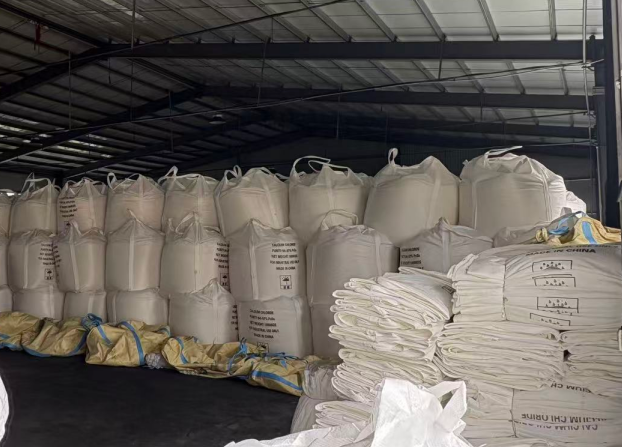
On the plant floor, a granule that crumbles too easily becomes a silent saboteur. Every transfer point, screw conveyor, or drop from a bin generates fine particles that drift into the air, settle on equipment, and clog dust collection filters. These fines are not just a housekeeping headache; they alter the particle size distribution you worked hard to achieve. Feeders calibrated for a specific bulk density start to over- or under-deliver, and blend uniformity suffers because the fines segregate from the coarser granules. In short, soft granules quietly erode process control.
The opposite extreme is equally disruptive. Overly hard granules may survive handling intact, but they often resist disintegration in downstream steps. A tablet press may struggle to compress them into a coherent compact, leading to capping or lamination. In dissolution or dispersion applications, hard granules can linger far longer than intended, delaying release profiles or clogging spray nozzles. The extra mechanical energy needed to break them down adds wear to mills and increases heat generation, which can degrade heat-sensitive actives or alter moisture content.
Dust control, meanwhile, is not just about meeting environmental or safety limits. Uncontrolled dust represents lost product that must be recovered or discarded, driving up material costs. It also creates a pathway for cross-contamination if fine particles from one batch remain in ductwork or on surfaces and later mix with another product. By tuning binder levels, moisture content, and post-drying attrition, you can shift the granule hardness into a window that minimizes both dust generation and downstream processing problems. The goal is a granule that holds together through normal handling but still yields when it should.
Mapping the Supply Chain: From Production Line to Your Warehouse
Every shipment that lands in your warehouse has a story that rarely gets told in one piece. Mapping the supply chain means stitching together the fragmented handoffs between raw material suppliers, assembly lines, freight forwarders, and distribution hubs into a single, legible sequence. Instead of guessing where a delay began, you see the exact node where a pallet sat for six extra days.
Start by tracing the physical path backward from your dock doors. Tag every transfer point—the injection molding facility in Ohio, the port warehouse in Los Angeles, the cross-dock in Dallas—and record not just arrival times but dwell times between scans. When you plot these intervals against demand forecasts, the map stops being a static diagram and turns into a live diagnostic tool.
The payoff is less about tracking and more about anticipation. A warehouse that can see upstream slowdowns three weeks out can reposition safety stock before a stockout, reroute a container around a congested terminal, or negotiate better lead times with the one supplier causing 80% of the variance. That's the difference between reacting to a supply chain and actually steering it.
Contract Clauses That Protect You From Moisture and Contamination
When drafting agreements with suppliers or logistics partners, include explicit stipulations that goods must be stored and transported in dry, sealed environments. Require documentation of humidity control measures and specify that any exposure to moisture or contaminants constitutes a material breach, shifting liability to the responsible party.
Establish inspection rights at receiving points to verify that packaging remains intact and free from water stains, mold, or foreign residue. Clauses should allow for rejection or replacement of compromised shipments without penalty, and mandate that carriers maintain clean, leak-proof containers with real-time temperature and humidity logging.
Define clear remediation timelines and financial remedies if protective measures fail. This includes full reimbursement for damaged inventory, costs of decontamination, and any consequential losses from production delays. Strong contractual language discourages shortcuts and gives you enforceable leverage when moisture or contamination issues arise.
How to Compare Quotes Without Missing Hidden Freight and Packaging Costs
Comparing supplier quotes isn't just about the sticker price on the product line. A lower unit cost can quickly evaporate once you account for freight, pallet fees, crating, and special packaging. The first step is to ask every vendor for a breakdown that separates the product cost from shipping and handling. Terms like FOB origin, FOB destination, prepaid freight, or collect freight all change who pays for what, and if two suppliers use different terms, you're not looking at the same number. For example, one might quote a low per-unit price but charge extra for residential delivery, liftgate service, or inside delivery, while another includes those in a slightly higher unit price. Without a line-item breakdown, those hidden extras will only show up on the final invoice.
A practical way to keep things apples-to-apples is to give each vendor the exact same shipping and packaging requirements before they quote. Specify the delivery address type (commercial dock vs. residential), whether you need pallets, stretch wrap, corner boards, or double-wall boxes, and whether any items require custom crating. Also ask if the freight quote includes fuel surcharges, insurance, and any accessorial fees. It's not unusual for two quotes to differ by hundreds of dollars because one assumes a standard 48x40 pallet and the other includes custom-cut foam and a wooden crate. If you don't spell out your expectations, each supplier will make their own assumptions, and you'll end up comparing numbers that were built on completely different foundations.
Once you have the line-item details, put them side by side on a simple worksheet: unit price, estimated freight, packaging and handling, any surcharges, and then a total landed cost per unit or per order. This total is what actually matters, not the headline price. Watch for quotes that say "shipping to be determined later" or list freight as "at cost" without an estimate. Those are red flags. Also check whether the quote includes customs duties, taxes, or cross-border brokerage if you're importing. A supplier that looks expensive on paper may actually be cheaper after you add the other supplier's hidden freight and packaging charges back in. Slow down, ask the same questions everywhere, and don't let a low unit price distract you from the real cost of getting the goods to your door.
Building a Long-Term Vendor Relationship: Beyond the First Shipment
The first shipment is rarely the true test of a vendor relationship; it’s what you do in the weeks after delivery that sets the tone. Instead of moving straight to the next purchase order, take time to review the supplier’s communication patterns, packaging quality, and how they handled any last-minute changes. A short follow-up note—even just two or three sentences pointing out what worked and what could be smoother—shows you’re paying attention and invites them to do the same.
Long-term partnerships grow when you stop treating the vendor as a transactional counterpart and start acting like a customer worth prioritizing. That means paying invoices on time, giving clear forecasts, and flagging potential issues before they become urgent. When a supplier faces a raw material shortage or a scheduling crunch, your willingness to brainstorm alternatives together will be remembered far longer than any price negotiation.
Don’t wait for the next RFQ to reach out. Share relevant market feedback, mention a product tweak you’re considering, or invite them to participate in a small pilot run. These quiet, consistent touches shift the dynamic from buyer-seller to collaborative development. You’ll know the relationship has matured when the vendor starts sending you cost-saving ideas or early warnings about industry shifts without being asked.
FAQ
Start with the moisture content and granule hardness. A low moisture reading under 2% prevents caking during storage, while harder granules hold up better during transport and spreading. Ask for a recent third-party lab report rather than relying on the supplier's own certificate.
Request an independent assay that measures calcium chloride content on an anhydrous basis, not just total chloride. Some suppliers report total chloride from sodium or magnesium contamination. A genuine 94% product should show low levels of magnesium and alkali metal chlorides in the impurity profile.
Moisture-barrier bags with an inner polyethylene liner are the safest choice for ocean freight or humid climates. Avoid unlined woven polypropylene bags, which allow humidity to reach the granules and cause clumping. For bulk shipments, insist on sealed container liners with desiccant packs at the loading port.
Watch for vague answers about the production site or a refusal to share batch-level traceability. If the price is far below market average and the supplier can't name the raw material source or manufacturing process, the granules are likely a blended or repackaged product with inconsistent purity.
Granules made through a flaking and crushing process tend to dissolve faster and have a more irregular shape, which works well for de-icing. Pelletized granules are more uniform and generate less dust, but they can dissolve more slowly. Ask which method the supplier uses and match it to your specific application.
A narrow size range, such as 2–4 mm, gives more predictable spreading rates and reduces segregation during transport. If the distribution is too wide, fine particles blow away as dust and large chunks clog equipment. Ask for a sieve analysis from the most recent production run, not a generic datasheet.
Look for a certificate of analysis issued within the last 30 days, a safety data sheet that matches the exact grade, and evidence of REACH or equivalent regulatory compliance. A supplier that stalls on providing these documents often has something to hide about the product's origin or handling.
Ask for three consecutive shipment records with lab results, not just samples. Consistency shows up in narrow ranges for purity, moisture, and granule size. A supplier that can't produce historical data or shows wide fluctuations is likely sourcing from multiple factories, which raises your risk of performance failures.
Conclusion
When you evaluate suppliers of 94% calcium chloride granules, the first thing that separates a reliable vendor from a risky one is how they handle the gap between advertised purity and what actually arrives at your receiving dock. Ask for a retained sample from the specific production batch, not just a generic spec sheet, and run an independent lab titration if possible. Granule hardness often gets overlooked until your feeder jams or your warehouse fills with fine dust. Request a sieve analysis and a crush strength test; harder granules with low dust generation mean less material loss, fewer safety complaints, and smoother dissolving in your process.
Beyond the product itself, map the entire logistics chain—from which port the raw material enters to who handles repacking. A single broken bag or a humid warehouse can ruin an otherwise perfect load, so your contract should spell out moisture limits at time of receipt and assign responsibility for container condensation or contamination. When comparing quotes, don't stop at the per-ton price; line up pallet fees, inland trucking, fuel surcharges, and demurrage risks. Finally, treat the first shipment as only the beginning. A vendor who will share batch records, hold quarterly quality reviews, and adjust packaging based on your humidity conditions is worth far more than the cheapest initial quote.
Contact Us
Contact Person: Tom Cui
Email: [email protected]
Tel/WhatsApp: +8618663670626
Website: https://www.jinjigoldenchem.com