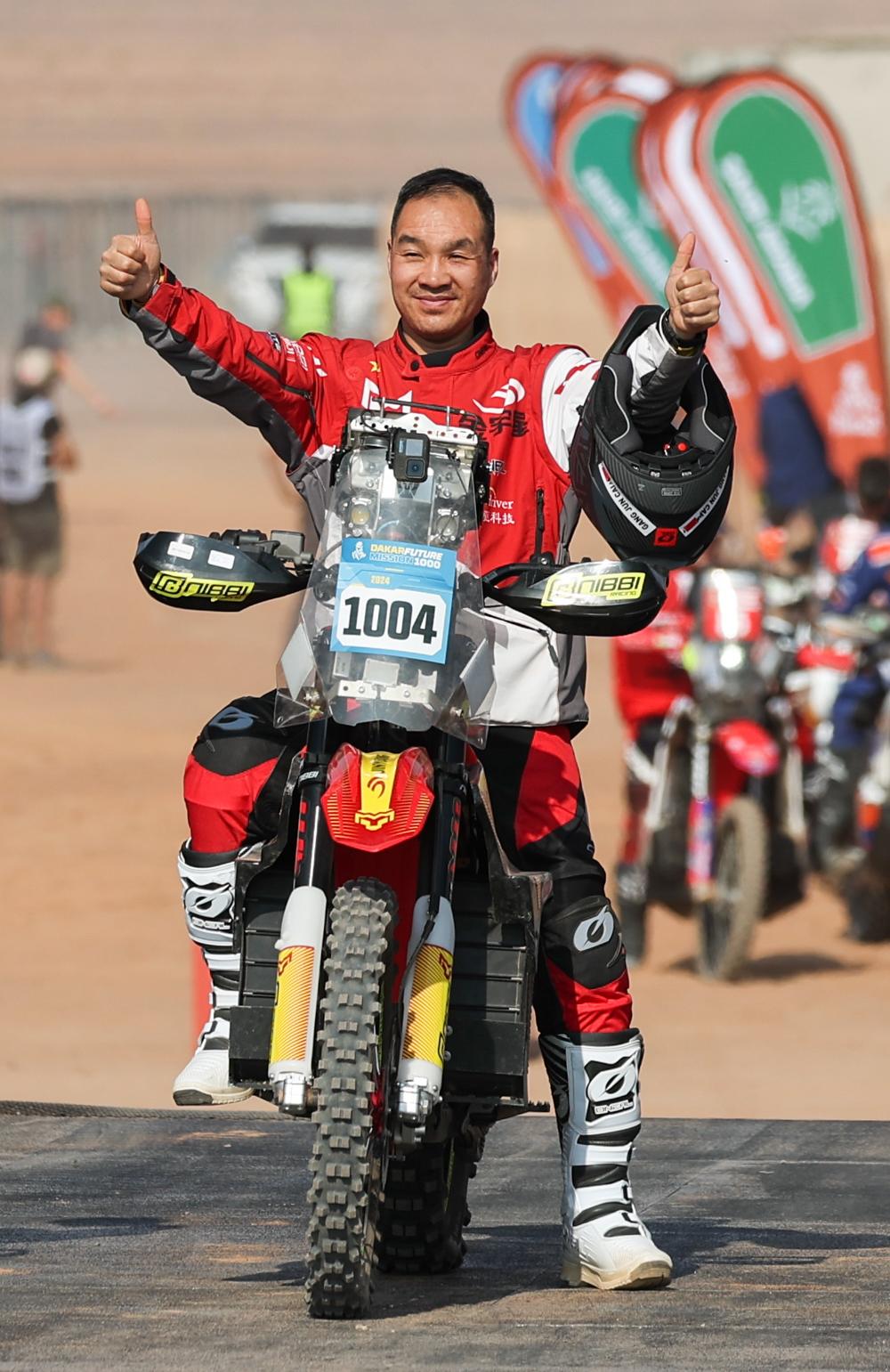

Electric enduro bike company essential buying guide for off-road riders
2026-10-23
Choosing an electric enduro bike isn't just about comparing kilowatts or claimed range—it's about finding a machine that won't flinch when the trail turns brutal. Most buying guides drown you in spreadsheets, but off-road riders know the real test happens in deep ruts, loose shale, and sudden stream crossings. That's why we're cutting through the noise with a no-nonsense look at what actually matters. And if you've been following the electric off-road scene, you've likely heard whispers about Arctic Leopard—a brand that has stopped chasing hype and started building enduro bikes that survive real abuse. Whether you're a weekend trail hunter or a hardcore singletrack addict, this guide will help you separate the contenders from the pretenders before you spend a single dollar.
What Actually Matters When You’re Miles From a Charger
When the nearest charger is far behind you and the next one feels like a rumor, the single most useful number is not the range on the dash—it’s how much you trust it. Temperature, headwinds, and elevation changes can quietly eat ten or fifteen percent of your buffer. Before you set out, glance at your actual consumption over the last thirty miles, not the rated figure. If the car says you have eighty miles left but the terrain ahead climbs for an hour, plan for sixty and watch the trend line, not the estimate.
Equally critical is knowing what your battery does below ten percent. Some models limit acceleration or climate control early; others keep full power longer but then drop fast. Carry a mental map of bail-out options—campgrounds, RV parks, even a friendly farm outlet can save you from a tow. And if you do have to stretch it, slow down. Dropping from seventy to sixty can add more miles than any hypermiling trick, because drag becomes the real enemy when every electron counts.
Battery Specs That Matter More Than Marketing Numbers
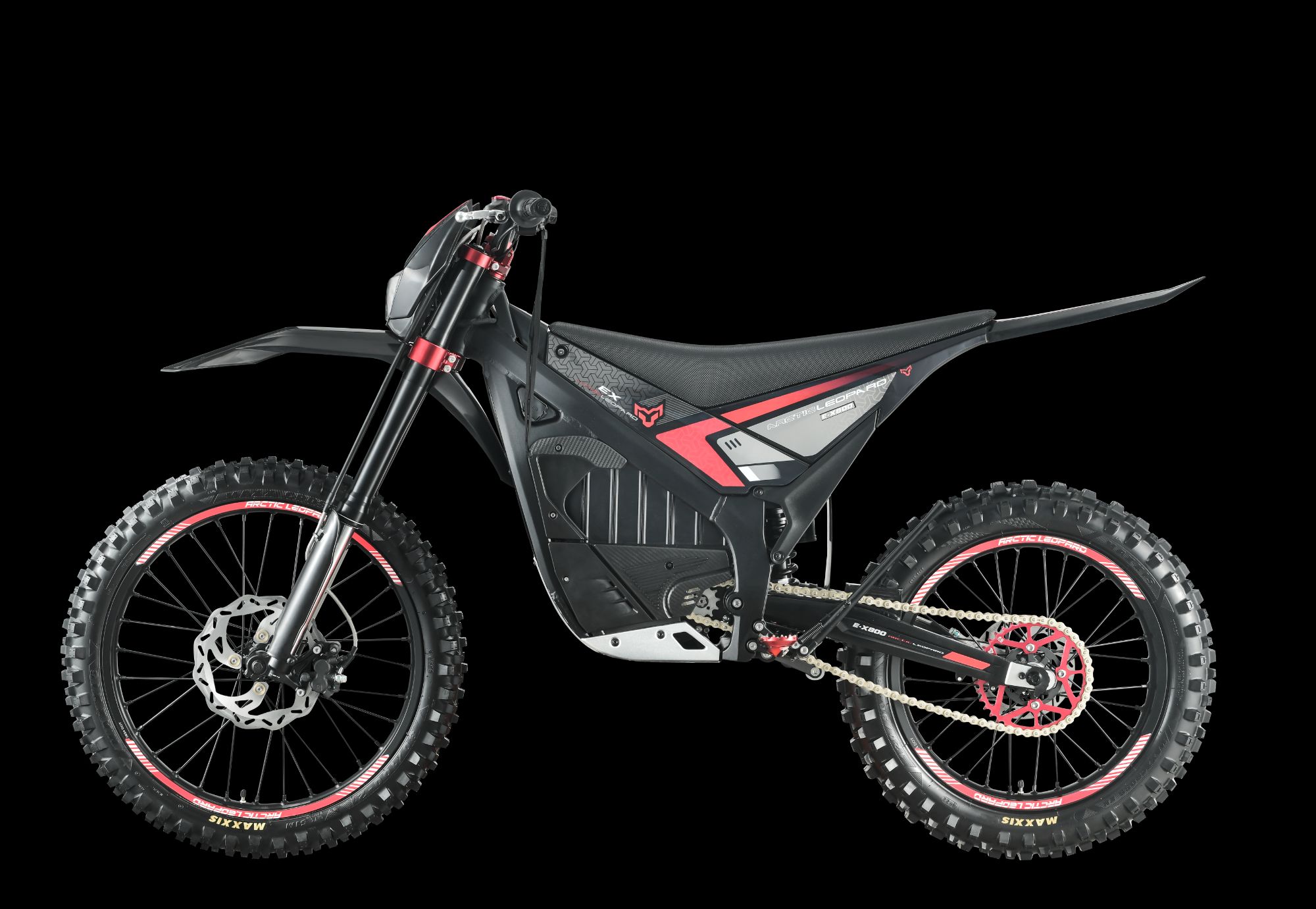
Manufacturers love to print the biggest charging wattage on the box, but that number rarely tells you how fast the battery actually fills up. A phone rated at 120W might only sustain that for a minute or two before dropping to a lower power level to control heat. The curve between 20% and 80% charge matters far more in daily use, because most people top up in short bursts rather than waiting for a full zero-to-hundred session. Look for reviewers who measure charging time over that middle range, not just the headline figure.
Cycle life is another spec that gets twisted. A datasheet might claim 800 cycles, but that often assumes ideal lab conditions with moderate temperatures and slow charging. Real-world capacity retention depends on how hot the battery gets, how often you use fast charging, and whether you leave it at 100% all night. A battery that holds 85% of its original capacity after two years is more meaningful than one with a bigger cycle number on paper. Pay attention to long-term degradation tests rather than isolated endurance claims.
Energy density gets less attention because it isn't a single flashy number, yet it determines whether a device feels slim or bulky. A 5,000mAh cell made with older chemistry might be thick and heavy, while a newer high-density pack can deliver the same capacity in less space. But pushing energy density too far can create thermal challenges, so the best designs balance density with cooling efficiency. Also check the self-discharge rate, because a battery that loses 10% per week when idle isn't really giving you the capacity you think you have.
Motor Torque: The Real Reason You’ll Clear That Hill
Horsepower gets the headlines, but torque is what shoves you up a steep grade without drama. While horsepower describes how fast work gets done, torque is the raw twist at the wheels—the grunt you feel in your chest when the road tilts skyward. On a climb, you aren’t asking the motor to spin faster; you’re asking it to push harder against gravity, and that’s exactly what torque delivers.
This is why a bike with modest peak horsepower can still tractor up technical ascents. Low-end and mid-range torque matter far more than a big number at redline, because most riders spend hill climbs in the lower half of the tach. Electric motors make this even clearer: full torque from a standstill means no downshifting, no revving, just a steady pull. Once you feel that kind of delivery, you’ll stop checking horsepower and start paying attention to the torque curve.
Suspension Setup: Don’t Let Rocks Ruin Your Ride
Rocks have a way of finding every weakness in your suspension. If your fork dives too quickly on sharp hits or your shock packs up over consecutive bumps, you lose traction and confidence in a hurry. The fix usually isn't more air or preload—it's about getting the damping to move oil in a controlled way, so the wheel stays glued instead of bouncing off line.
Start with rebound. Too fast, and the bike feels like a pogo stick after every rock ledge. Too slow, and the suspension can't recover before the next impact, leaving you riding low in the travel. Find a pace where the front end returns just quickly enough to feel alive, but not so quick that it upsets the chassis. A good test: ride a familiar rocky section at moderate speed and count how many times the bars feel harsh versus smooth. Adjust one click at a time until harshness drops noticeably.
Compression is where many riders go wrong. Cranking it up to stop bottoming often makes small rocks feel like sharp hammer blows. Instead, use the air spring or coil rate to hold you up, and let compression handle the mid-stroke support for bigger hits. On really rocky trails, softening high-speed compression can let the wheel move fast enough to absorb square edges, while keeping low-speed compression firmer for support under braking and cornering. It's a balance that changes with tire pressure and terrain, so don't be afraid to experiment on the same loop until the bike feels calm instead of chattery.
How Much Bike Can You Really Handle?
Most riders think they can handle a lot more bike than they actually can—until the trail tilts sideways or the rear tire starts swapping in deep gravel. Raw horsepower and long-travel suspension don't mean much if your body position is late by half a second. The bike you can really handle is the one that still listens to you when you're panting at the top of a climb, not just on a sunny test ride around the block.
That gap between what feels fun for twenty minutes and what you can safely manage for a full day is where honesty matters. A mid-weight machine often exposes less ego and more skill: it asks you to work for speed instead of simply twisting the throttle. If you're constantly fighting the front end, dabbing a foot, or choosing easier lines because the bike scares you, that's not a challenge—it's a sign you've out-kicked your coverage.
The Hidden Costs of Going Electric Off-Road
Many off-road enthusiasts picture instant torque and silent trails, but the actual price tag goes beyond the sticker. Lithium-ion packs lose capacity faster when subjected to constant vibration, dust, and extreme temperature swings common on rocky terrain. A battery that might last a decade on pavement can degrade noticeably after a few seasons of hard crawling, and replacing it often costs more than a rebuilt engine in a comparable gas rig.
Charging logistics turn remote adventures into careful planning exercises. Public fast chargers are scarce once you leave interstates, and most are not positioned near trailheads. Towing a small overland trailer or carrying heavy gear can cut real-world range by nearly half, forcing you to budget extra hours for detours or rely on slow Level 2 outlets at campgrounds. Some owners end up hauling a portable generator, which undercuts the zero-emission appeal.
Repairs also demand specialized knowledge. Many independent shops won't touch high-voltage systems, so a damaged skid plate that punctures the battery enclosure can mean a flatbed tow to a dealer hundreds of miles away. Software glitches can disable drivetrain modes mid-trail, and over-the-air fixes don't help when you're out of cell range. These hidden costs add up in downtime, recovery fees, and frustration that spec sheets never mention.
FAQ
Ignore the single 'up to' mileage figure. Ask for the battery capacity in watt-hours and the bike's consumption at low-speed technical riding, not just flat pavement. A heavy bike crawling over rocks can use two to three times the energy per mile, so look for manufacturers who publish range curves for enduro use or offer a range extender option.
Peak power only tells you the maximum for a few seconds. Check the continuous torque at low revs and how the controller manages heat during long steep climbs. A smaller motor with well-tuned throttle response can feel more capable than a high-peak motor that overheats and cuts back after ten minutes of crawling.
Not always, but it changes the feel. Many electric bikes carry weight low and central, which helps stability in rocks and sand, yet lifting the rear over logs or pivoting in switchbacks takes more effort. Look for a manageable seat height and grab points, and if possible, ride one before buying to see if the weight feels balanced or just heavy.
Check the steering head angle, rear linkage, and suspension travel. Enduro-specific frames usually have slightly more trail for stability at lower speeds and linkage designed for square-edged hits, while a converted motocross setup may be too stiff and tall for technical off-road work. Ask the company what terrain the bike was tested on, not just what it is called.
A lot, because trailside outlets are rare. Find out the charge time from 20% to 80% with a standard outlet, whether the charger is portable, and if the battery can be swapped quickly. For longer rides, a generator-compatible charger or a second battery may be necessary, but factor that cost and weight into your decision.
Service and parts availability is the big one. Ask where the nearest dealer or approved service point is, whether the bike uses proprietary electronics that only the company can diagnose, and how long the brand has been shipping bikes. A lower price loses its appeal if a broken display or controller leaves you waiting months for a replacement part.
Expect some capacity loss, especially if you ride in heat or store the battery fully charged. Ask about the battery warranty in terms of cycles or years, and whether replacement packs are realistically available to buy. A quality pack should still hold around 80% of its original range after several hundred cycles, but off-road stress can shorten that if thermal management is weak.
Conclusion
When you're miles from the nearest outlet, the only battery spec that truly matters is usable watt-hours per pound of bike weight. A 750Wh pack on a 280-pound machine won't get you any farther than a 500Wh pack on a 240-pound bike, so ignore the flashy “long-range” stickers and calculate real energy density instead. Motor torque is the silent hero out here—peak power figures sell bikes, but torque at low RPM is what keeps your front wheel lifting over roots and loose shale without stalling. Look for at least 85Nm at the crank, and test it in the steepest, slowest section you can find before buying. Remember: range anxiety isn't fixed by a bigger battery, it's fixed by knowing your actual consumption per mile in technical terrain, which no marketing sheet will tell you.
Suspension setup will make or break your ride long before the motor fades. Don't let a showroom clicker setting fool you—rocks, ledges, and repeated high-speed hits demand proper sag and rebound tuning, not just more travel. The same goes for bike size: a 55-pound enduro e-bike with a tall seat height may feel stable on pavement but becomes a handful when you're threading through tight singletrack or picking it up after a fall. Be honest about your upper body strength and technical skill, because the hidden costs of going electric off-road go well beyond the sticker price. Extra battery replacements, reinforced chains, brake pads that wear twice as fast, and the occasional motor service add up quickly—not to mention the time lost waiting for a charge mid-ride. Buy from a company that offers real dealer support and a battery warranty of at least two years, and you'll spend more time riding than pushing.
Contact Us
Contact Person: Jack
Email: [email protected]
Tel/WhatsApp: +86 15657688888
Website: https://www.arctic-leopard.com