

Pizza Sauce Factory: Crafting the Perfect Tomato Base for Your Pizzeria
2026-10-28
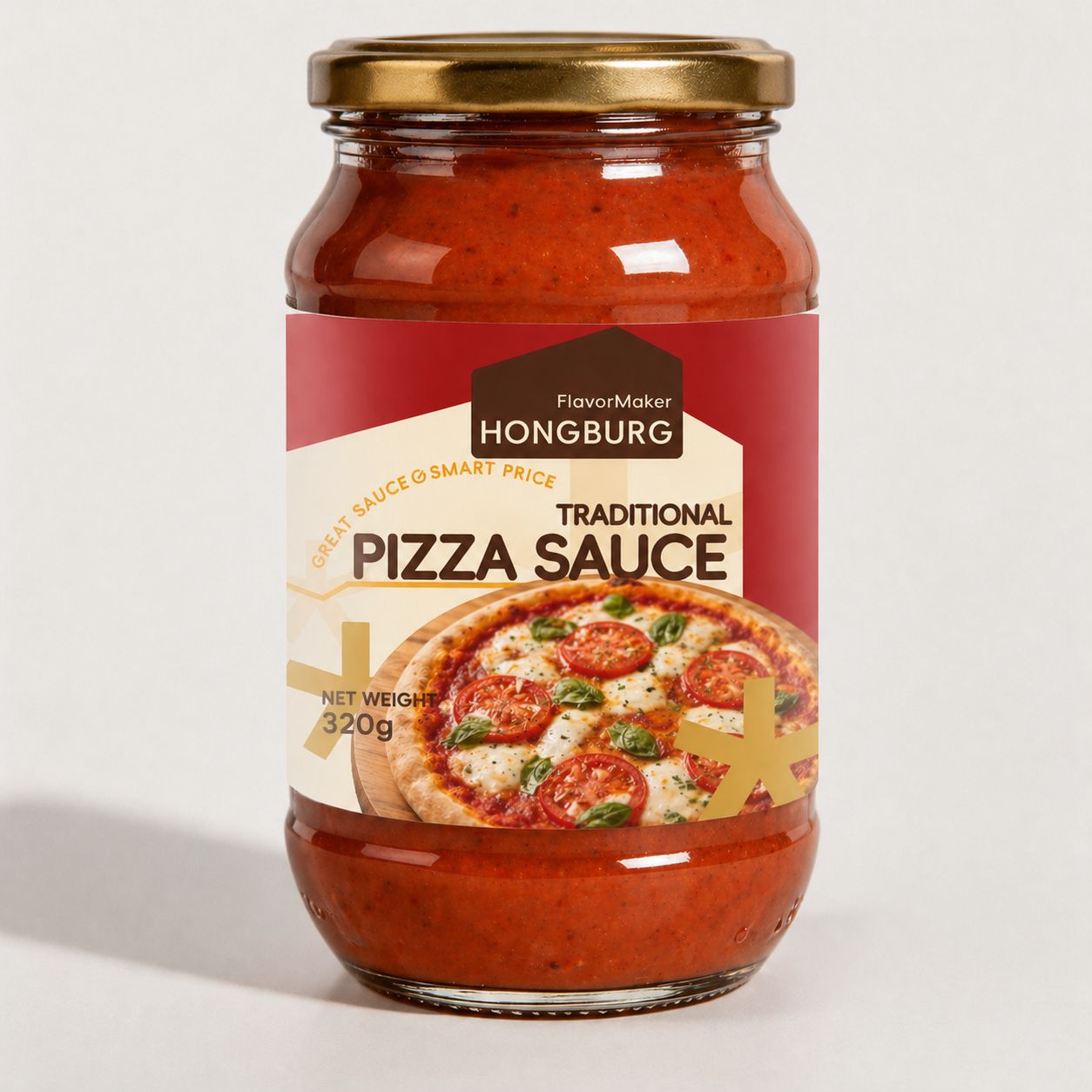
Behind every unforgettable slice is a tomato base that rarely gets the credit it deserves—until it's missing. At the Pizza Sauce Factory, we obsess over the details most pizzerias overlook: tomato varietals, acidity balance, and slow-simmered depth. That's why HONGBURG FLAVORMAKER built a dedicated production line to craft the perfect tomato base for your pizzeria. Ready to taste the difference? This guide walks you through the factory process that turns humble tomatoes into your signature sauce.
Tomato Varieties That Actually Hold Up in a Pizza Oven
Using the right tomato can make or break a pizza cooked in a proper high-heat oven. The standard supermarket slicing tomatoes are too juicy and will turn your crust into a soggy mess before the cornicione even gets a chance to char. What you want is a variety with thick flesh, fewer seeds, and less free water. San Marzano, especially the DOP-certified ones grown in the volcanic soil near Naples, is the gold standard. At 450-500°C, these tomatoes soften and concentrate rather than steam, giving you a sauce that stays bright and slightly sweet without pooling liquid on the dough.
If San Marzano is hard to source or too pricey, Roma tomatoes are a solid workhorse. They are meaty, low-moisture, and widely available fresh or canned. Another underrated option is Piennolo del Vesuvio, a small pointy tomato with thick skin and high sugar content. Whole Piennolo tomatoes placed on top of a pizza will blister and caramelize in the oven instead of collapsing into a watery puddle. Avoid big beefsteak types for anything other than a raw garnish, because their high water weight will fight against the intense dry heat and lengthen the bake time.
If you only have access to canned tomatoes, go for whole peeled San Marzano or Roma packed in their own juice with no extra puree or calcium chloride. Drain them well and crush by hand, leaving some texture. The dense flesh holds up far better than pre-crushed or diced options, which often turn soupy under the high heat of a pizza oven. Fresh tomatoes can work if you slice them thin and remove the seed pockets, but for a classic Neapolitan or New York style bake, the meaty plum varieties are what actually stand up to the heat.
The Fine Line Between Bright and Bitter: Managing Acidity
The line between a lively, bright cup and one that veers into sharp bitterness is thinner than most people think. Acidity in coffee isn't a flaw—it's the backbone of complexity, carrying notes of citrus, stone fruit, or even delicate florals. But when that brightness tips too far, it can taste sour, astringent, or harsh. The trick isn't to eliminate acidity; it's to shape it so it sings rather than stings.
Roast level plays a huge role here. Lighter roasts tend to preserve more of the bean's natural acids, which can be delightful if they're balanced by sweetness, but can also come across as underripe or grassy when pushed too far. Darker roasts mute those acids considerably, yet they introduce their own kind of bitterness from caramelized sugars and degraded compounds. Finding that sweet spot means experimenting with development time—enough to round off the sharp edges without baking out the character.
Beyond the roaster, the way you brew can either tame or amplify acidity. A slightly coarser grind, a touch lower water temperature, or a shorter steep can soften a sharp cup without making it flat. Some baristas even recommend adjusting your water chemistry, since high alkalinity can neutralize acids while high mineral content can accentuate them. The goal is a cup where the brightness lifts the flavor rather than fighting it—something you feel as a clean, mouthwatering finish rather than a puckering jolt.
Why Your Sauce Needs a Rest Before It Meets the Dough
A quick whirl in the blender doesn't give tomato sauce time to settle into itself. Letting it sit for even twenty minutes allows the acid in the tomatoes to soften and the dried herbs to release their oils, so the first bite doesn't hit you with sharp, disjointed flavors.
Resting also thickens the sauce slightly as the liquid redistributes through the solids. That means less watery spread on your dough, which is the difference between a crisp, blistered crust and a soggy center that steams instead of bakes.
If you're tempted to skip this step, think about how a stew tastes better the next day. Your sauce doesn't need overnight, but it does need a pause. Give it that, and the dough will carry a deeper, rounder flavor instead of a raw tomato edge.
Small-Batch Flavor at Factory Scale: Is It Possible?
Scaling up a recipe from a test kitchen to a full production line often strips away the very character that made it worth scaling in the first place. The heat, the timing, the friction of a small-batch process—these aren't just steps; they're the fingerprint of a product. So when a company claims to capture that same depth of flavor while running thousands of units per hour, skepticism is the natural first response. Yet the question isn't whether it can be done at all, but what gets sacrificed in the name of volume, and whether that sacrifice is acceptable to the people who actually taste the difference.
The real challenge lies in managing variables that don't scale linearly. A small kettle allows for quick adjustments, uneven stirring that creates caramelization edges, and a final seasoning that's more intuition than measurement. On a factory floor, those become programmable parameters—but programming a machine to replicate an artisan's instinct is like trying to write down how to ride a bike. Some companies are getting closer by breaking down flavor into its chemical components and rebuilding it through controlled roasting, staged mixing, and rapid cooling cycles that mimic the thermal shocks of a small batch. The results are often surprisingly good, though rarely identical to the original.
What separates the successes from the failures is not the equipment but the willingness to treat the factory as an instrument rather than just a machine. That means accepting that the product will evolve slightly, that the flavor profile will shift toward consistency rather than peak moments, and that the goal is not to clone the small batch but to create a scaled version with its own honest character. For most consumers, that trade-off is invisible. For the few who notice, the answer to the title's question is: yes, but only if you stop asking for the impossible and start asking for the next best thing.
Building Depth Without Overloading the Spice Rack
A heavy hand with spices can flatten a dish faster than a missing ingredient. The trick is to coax out layers from fewer jars, letting each one work harder. Toast whole cumin seeds in a dry pan until they smell nutty, then grind them fresh. That single step builds a backbone that pre-ground powder can't match.
Build depth through technique rather than volume. Bloom a pinch of turmeric in hot oil before adding onions, and its earthy notes turn sweet and round. Add the same amount at the end of cooking, and it stays sharp and bitter. Timing matters more than quantity.
Lean on aromatics and acid to do the heavy lifting. Sauté garlic and ginger long enough to lose their raw bite, then splash in vinegar or citrus at the very end. The contrast lifts everything, so you need less spice to feel like the pot has been simmering all day.
From Kettle to Freezer: Locking in That Fresh Tomato Punch
That bright, just-picked tomato flavor doesn't have to vanish when the season does. The trick is catching it at its loudest—usually right after a quick trip through simmering water or a slow roast in a heavy kettle—and then moving fast. A brief dunk loosens skins without cooking the flesh to mush, while a few minutes over low heat concentrates the juices just enough to make them cling. The moment that deep, sun-sweet aroma fills the kitchen, pull the pot off the heat. Hesitation here lets the sugars dull and the acidity flatten.
Once the tomatoes have collapsed into a chunky, ruby-red base, let them cool just until they stop steaming—then portion them into wide-mouth jars or zip-top bags with a little headroom. Freeze in small batches so you can thaw exactly what a weeknight sauce or a slow-cooked stew needs. A thin slick of olive oil on top before sealing keeps frozen crystals from roughing up the texture. Later, when you tip that brick into a pan, it melts back into something that tastes less like a preserved ingredient and more like August still hasn't left.
The order matters less than the speed. Whether you blanch, roast, or simmer first, the goal is to trap the tomato's high notes before cell walls break down into watery blandness. Don't wait for a full sauce—freeze the half-transformed pulp while the flavor is still sharp. Then, come January, you're not cooking with frozen tomatoes; you're opening a window into the garden.
FAQ
It comes down to using tomatoes picked at peak ripeness and cooking them down slower than most commercial operations bother with. We let the sauce reduce until the spoon leaves a clean trail, which concentrates the umami without dumping in sugar or artificial thickeners.
Because flavor changes once you're working with 10,000 liters at a time. Small batches let us catch the exact moment the acidity softens and the sweetness turns round. Scaling up would mean sacrificing that window for the sake of volume.
Absolutely. For Neapolitan we barely cook the tomatoes—just a light pass with salt and fresh basil so the bright, almost grassy note survives the 900-degree oven. For a Detroit or grandma slice, we roast the tomatoes first and cook the sauce down further to get that jammy, caramelized backbone.
We start with less water by using whole tomatoes instead of puree or juice, then we evaporate off about half the liquid during cooking. The result is a base that keeps its body even after a 10-minute bake, rather than pooling under the cheese.
They treat it like a frozen commodity and forget that a good tomato base is still perishable. If a delivery sits on a loading dock for two hours or gets frozen and thawed twice, the texture breaks and the flavor goes flat. We ship cold and recommend using it within days, not months.
No preservatives, no citric acid to fake brightness. We rely on a hot-fill process and immediate refrigeration. The trade-off is a shorter shelf life—about three weeks once opened—but the taste stays clean and doesn't have that tinny, preserved edge.
We blend lots from different fields and then adjust the cooking time and salt level in small test batches every morning. If a harvest comes in more acidic, we might let it cook an extra twenty minutes or add a touch more sweet basil. The goal is a consistent base without masking the tomato's own character.
Conclusion
Crafting a pizza sauce that survives the brutal heat of a commercial oven starts with choosing tomato varieties bred for low moisture and high solids—Roma and San Marzano hold their structure instead of turning watery. The real balancing act comes next: managing acidity without dulling the bright, sun-ripened edge. A touch of sweetness or a carefully timed pinch of baking soda can tame the bitter sharpness, but overcorrecting flattens the entire flavor. Once the kettle work is done, the sauce needs a deliberate rest period before the dough ever sees it. This resting phase lets the herbs and tomato fibers marry, smoothing out raw edges and building a more cohesive base. Even at factory scale, small-batch character is possible if you slow down the cooking and use gentle agitation rather than aggressive pumping, preserving texture and volatile aromatics.
Depth comes from restraint, not a crowded spice rack—think slow-cooked onion, a whisper of garlic, and maybe a single dried herb. More than that and you bury the tomato itself. The final hurdle is preservation: moving from kettle to freezer quickly locks in the fresh, just-crushed tomato punch, but only if the sauce is cooled rapidly and packed without excessive air exposure. A factory that masters these steps—selecting the right varieties, calibrating acidity, allowing rest, scaling gently, and freezing at peak freshness—can deliver a sauce that tastes like it was made in a small Italian kitchen, even when it ships by the pallet. That’s the difference between a generic red spread and a true pizza base.
Contact Us
Contact Person: Peter Song
Email: [email protected]
Tel/WhatsApp: +86 18920189778
Website: https://www.hongburg.com