

Top Hotel HVAC Energy Saving Strategies for Maximum Efficiency
2026-09-15
Hotel energy bills rarely make headlines, but for owners they are a constant drain. HVAC systems account for a significant share of that cost, often running at full power even when guests are asleep or rooms are empty. The good news is that cutting waste doesn't require a gut renovation. This post breaks down the top strategies that leading properties use to slash HVAC consumption without sacrificing comfort. From smart thermostats to better maintenance routines, each idea is practical and proven. And if you're looking for equipment that pairs perfectly with these methods, Tongbaote offers reliable options worth checking out.
What Empty Guest Floors Really Cost at Night
At 2 a.m., an unoccupied hotel floor isn't quietly saving money—it's slowly leaking it. Corridor lights stay on, HVAC systems cycle to keep vacant rooms from growing musty, and security cameras record nothing but empty hallways. Those costs don't pause just because the rooms are empty.
Then there's the labor. Night auditors still check every floor, housekeeping may run a handful of turndown requests, and maintenance staff respond to false alarms from motion sensors that no guest triggered. A floor with zero check-ins still needs someone to walk it, monitor it, and keep its fire doors and elevators compliant. That's payroll without a single occupied room to offset it.
The real sting shows up in lost opportunity. Every dark window represents a room that could have been sold, a minibar that wasn't opened, a breakfast seat left unused. Hotels can't recapture those hours; empty floors at night are a fixed cost with no revenue attached.
Why Your Ballroom Chiller Runs for an Empty Room
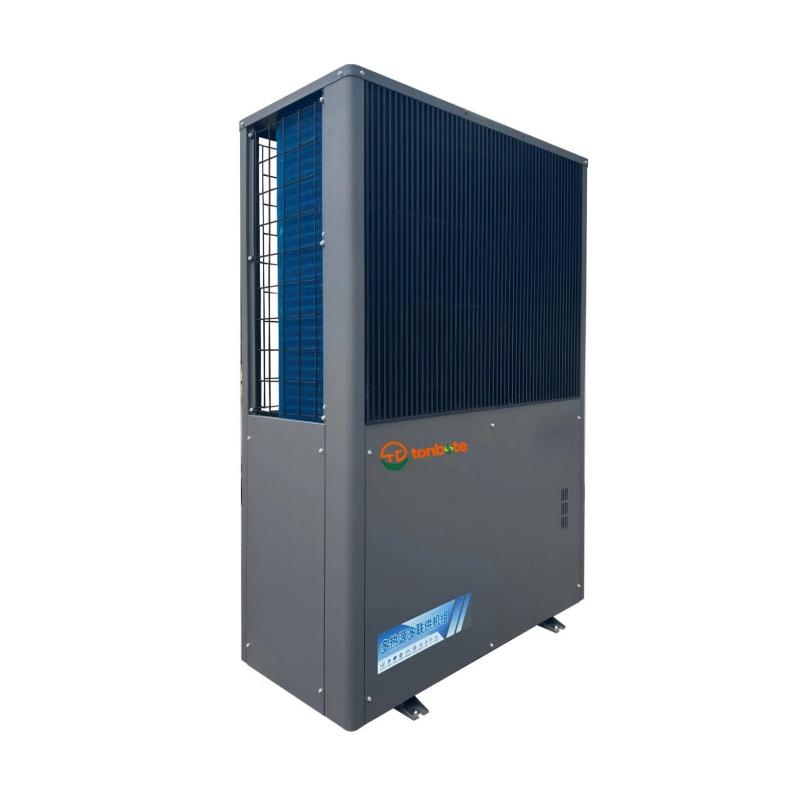
Most people assume the chiller only needs to work when guests are present, but that is rarely how ballroom HVAC sequences are actually programmed. The thermostat may be tucked behind a service door or mounted on a wall that catches afternoon sun, so the sensor reads a temperature that has little to do with the occupied space. If the setpoint is set for 72°F and that wall hits 78°F by 3 p.m., the chiller will kick on even with the room completely empty. Older pneumatic or standalone controls often lack occupancy feedback, meaning they simply chase the sensor reading without ever knowing whether anyone is in the hall.
Another reason comes down to humidity, not temperature. Ballrooms with wood floors, plaster moldings, or fixed seating can suffer real damage if relative humidity drifts above 55–60% for hours. To prevent warping or musty odors, the building automation system may be programmed to run the chiller in dehumidification mode whenever the return air humidity rises, regardless of occupancy. On a humid weekend with the doors closed, that can mean the chiller cycles on a few times in an empty room simply to pull moisture out of the air.
Sometimes the issue is not a control strategy at all but a stuck actuator, a failed occupancy sensor, or a schedule that was overridden months ago and never restored. If the chiller has been running at odd hours, checking the override history and the position of the outside air dampers is often more useful than adjusting the thermostat. A simple occupancy-based setback can save hundreds of dollars a month, but only if the sensors are placed where they can actually see the room instead of being blocked by staging panels or curtains.
The Corridor Pressure Trick That Trims Cooling Hours
Most air-conditioned buildings waste runtime because warm air sneaks back into cooled zones through door gaps and stairwells. Keeping the corridor slightly positive—just two to five pascals above adjacent rooms—reverses that drift. Instead of pulling hot exhaust into the return path, the pressure pushes cool supply air outward, so the space stays below setpoint longer without extra compressor cycles.
Set it up with a basic manometer or a building automation differential sensor. Start with supply fans at normal speed, then close relief dampers or bump fan speed in small steps until the corridor reads positive. Watch the doors: if they whistle or resist opening, you've gone too far. The sweet spot changes with filter condition and outdoor temperature, so recheck monthly at first. Once the pressure holds steady, the thermostat will call for cooling less often, and that's where the runtime savings show up.
A colleague of mine cut cooling hours by roughly 20% in a two-story office after one afternoon of balancing corridor pressure. The trick isn't glamorous, but it beats replacing equipment. If you log runtime before and after, the difference is clear within a week. Keep an eye on door closers, too—positive pressure can make them close harder, which isn't a dealbreaker but worth adjusting.
Kitchen Exhaust Heat Is Wasted Lobby Warmth
Walk into most apartment lobbies in winter and you'll feel the blast of heated air immediately, yet just above the stoves in the back kitchens, exhaust fans are busy throwing away enough warmth to keep that same lobby comfortable all day. That steady stream of hot air rising from ovens, griddles, and dishwashers doesn't vanish; it simply gets sucked outside through greasy ducts while the building's boiler works overtime to fight the chill at the front door.
The mismatch is easy to ignore because the two systems sit at opposite ends of the building, managed by different people with different budgets. But if you trace the pipes and vents, you'll find a simple loop: kitchens generate waste heat, exhaust systems dump it within seconds, and lobby thermostats demand fresh heat from gas or electricity. Recovering even a fraction of that exhaust warmth with a heat exchanger could redirect it to entryways, hallways, or the mailroom, cutting energy bills without asking anyone to cook less.
Building owners rarely see this as a single problem because no one stands in the kitchen watching steam escape while also standing in the lobby feeling the draft. But look at the monthly utility data side by side: one line for cooking exhaust, one for lobby heating. The numbers tell a story of waste that most floor plans hide. Next time you're in a high-rise on a cold morning, put your hand near the kitchen vent outside, then near the lobby radiator. The first will feel like a hair dryer blowing away money; the second will feel like the reason the meter keeps spinning.
Variable Speed Drives Are Quieter Than You Think
The first time I stood next to a running variable speed drive, I kept glancing around for the source of the noise. There wasn't one—just a faint, almost electronic whisper that blended into the background hum of the facility. Most people expect industrial equipment to roar or whine under load, but modern VSDs challenge that assumption. Their cooling fans ramp up only when needed, and the switching frequency is often set high enough to push any audible harmonics beyond human hearing. The result is a device that can sit in an office-adjacent control room without anyone raising an eyebrow.
That quiet operation isn't a fluke. It comes from careful design choices—soft-switching topologies, improved airflow paths, and better damping materials around the enclosure. Instead of a fixed-speed fan screaming at full tilt, a VSD adjusts fan speed based on internal temperature, which means most of the time it's barely spinning. The drive's output waveform is also shaped to reduce magnetostriction in the motor, so even the connected machine runs smoother and with less acoustic noise. You notice it most when comparing two identical pumps: one on a direct starter, one on a VSD. The difference in sound is less like a volume knob change and more like switching from a diesel generator to a library reading room.
In practice, this changes where you can install drives. No longer do you need a separate, soundproofed electrical room just to keep the noise away from workers. A small wall-mounted VSD can live right next to the conveyor it controls, and the loudest thing nearby might be the coffee machine in the break room. That also means fewer long cable runs, less heat trapped in remote cabinets, and a cleaner overall layout. For anyone who's spent time around older motor control centers, the absence of that familiar racket takes a while to get used to—but it's the kind of surprise you don't mind.
Your Maintenance Log Hides the Cheapest Run Times
Most people flip through a maintenance log just to check when the next oil change is due. But if you actually sit down with those records, you'll spot something odd: running the same machine at different hours doesn't cost the same. The log tracks fuel or power draw, part replacements, and unexpected downtime. Dig into those numbers and you'll see a clear pattern where the cheapest run times hide.
Take a real example from a fleet of delivery vans. The log showed that early-morning starts between 4 a.m. and 6 a.m. burned 12% less fuel per mile than mid-afternoon runs, even on identical routes. Why? Cooler air meant the engine didn't work as hard, and the lack of stop-and-go traffic kept wear on brakes and transmission to a minimum. Those savings never made it into a dashboard report — they just sat in the handwritten notes.
So before you overhaul your schedule or buy more efficient equipment, pull the old maintenance records. Look for repeated work orders at certain hours, abnormal part replacements, or energy spikes. You might find that shifting just a few hours of operation to off-peak windows cuts your total running cost more than any new machine would.
FAQ
Smart thermostats, regular coil and filter maintenance, and occupancy-based setbacks are all strong moves. Adding variable frequency drives to fans and pumps lets the system match real demand instead of running full blast all day.
Zoned controls give each room its own temperature setting, so you're not cooling an empty suite. Energy recovery ventilators also help by pre-treating incoming air with exhaust air, which keeps guests happy and peak loads down.
Clogged filters and dirty coils make compressors and fans work harder than they should, which shows up on the electric bill. A solid maintenance routine keeps everything running close to peak efficiency and avoids midnight breakdowns that guests remember.
When a room is empty, an occupancy sensor can back off the heating or cooling, then bring it back to a comfortable level when the guest walks in. That simple change avoids conditioning vacant spaces and can add up to significant savings across hundreds of rooms.
Running every area on the same schedule wastes energy. Tailor schedules for lobbies, meeting rooms, kitchens, and guest floors. For instance, meeting rooms can be set back when not booked, while guest rooms hold a baseline temperature and adjust only when occupied.
Variable frequency drives let fans and pumps slow down when full output isn't needed. Most HVAC systems rarely run at peak load, so this cuts energy use compared to equipment that only runs at one fixed speed.
Swapping an old chiller or rooftop unit for a high-efficiency model often lowers bills and improves humidity control. The payback can be just a few years, especially if you catch a utility rebate or incentive.
A building automation system tracks temperature, humidity, and occupancy across the property and adjusts HVAC settings in real time. It also alerts staff to performance issues early, so small inefficiencies don't turn into big energy bills.
Conclusion
A surprising amount of hotel energy waste happens in spaces that are technically empty. Unoccupied guest floors still receive full heating or cooling through the night, and ballroom chillers often run for banquet halls that never get used. Shutting those zones down—or at least setting them back based on actual occupancy—cuts utility costs without any guest noticing. The same logic applies to corridor pressure: when air rushes out through stairwell doors or service passages, the HVAC system works longer to hit the same setpoint. Balancing pressure between corridors and adjacent spaces reduces those extra cooling hours and keeps conditioned air where it belongs.
Heat that’s already paid for can be reclaimed instead of exhausted. Kitchen hoods pull warm air out all day, yet that warmth could be routed to preheat lobby ventilation or domestic hot water—turning a disposal problem into free energy. Variable speed drives on fans and pumps add another layer: they match airflow and water flow to real demand, and contrary to old assumptions, they run much quieter than fixed-speed equipment. That makes them suitable even near guest rooms. Finally, don’t ignore the maintenance log. Historical run times, temperature trends, and occupancy notes often point to the cheapest operating windows—such as shifting laundry or kitchen ventilation loads to cooler nighttime hours. These combined strategies lower both energy consumption and peak demand charges while preserving comfort.
Contact Us
Contact Person: Wanshu Chen
Email: [email protected]
Tel/WhatsApp: +86-13662871206
Website: https://www.mbcee.com