

Window Treatments OEM: How to Choose the Right Custom Window Covering Manufacturer
2026-09-20
Specifying a custom window treatment is easy. Finding an OEM partner who executes those specs without quietly cutting corners is the hard part. Inconsistent dye lots, sloppy hems, and missed tolerances often only surface after your brand has already paid for them. ROLLERGY eliminates that guesswork with custom fabrication and process control that keep your SKUs consistent order after order. Here's how to choose the right custom window covering manufacturer before you commit.
Tour the Floor (Even Virtually): Confirm They Actually Make What They Sell
Walking a factory floor used to mean dodging forklifts and squinting at half-assembled widgets, but these days a video call can get you just as close. The point isn't the tour itself, it's catching the small tells: a workstation with the same jig from last year's prototype, a pile of raw castings that matches the batch numbers you were quoted, or a QC bench with a rejected part still sitting under the light. You're not looking for perfection, just proof that the machines actually hum when someone says they do.
Most suppliers will happily show you their showroom, but ask to see the line where your specific order will run. If the video feed suddenly gets wobbly or the lighting gets moody, that's a clue. A real floor has noise, dust, and a guy in the background who waves at the camera for no reason. A polished demo reel with stock music and a smiling manager pointing at a whiteboard tells you they spent more on marketing than on tooling. Push for a live walk, not a recorded highlight reel, and ask the person holding the phone to name the machine operator, not just the machine.
Even without boots on concrete, you can verify a lot: request a timestamped photo of raw material inventory with your PO number written on a scrap of paper, or have them film the serial plate on the CNC that will cut your parts. A shop that actually makes what it sells will shrug and send you a blurry ten-second clip within the hour. A middleman will suddenly need three business days to "coordinate with the facility." That delay is your answer.
Fabric Sourcing Is a Story: Ask for the Proof, Not Just the Swatch
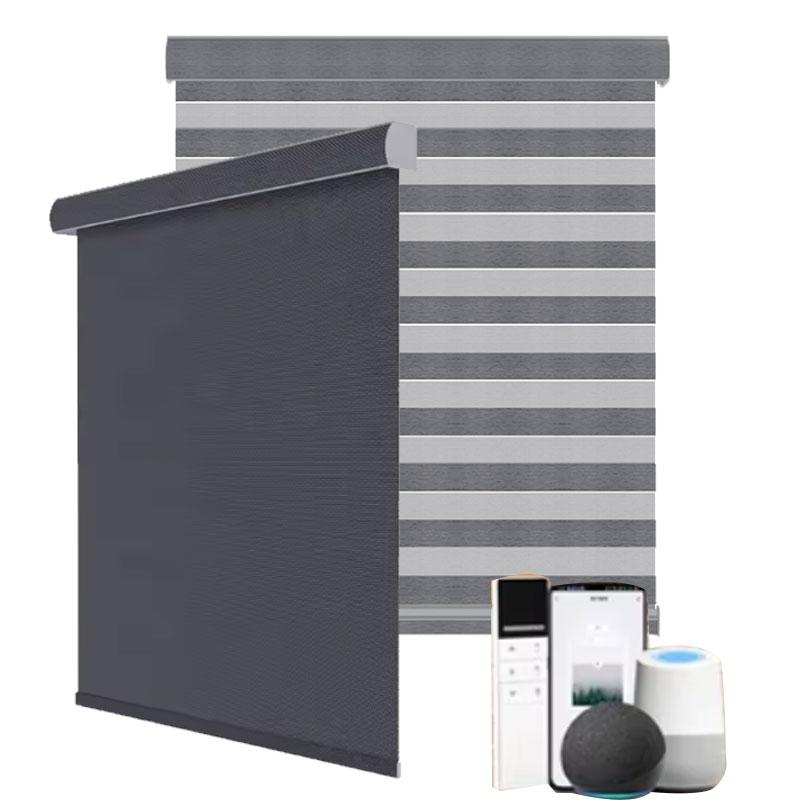
Fabric sourcing is not just about rubbing a tiny swatch between your fingers and nodding at the color. Every piece of cloth carries a backstory. Who grew the fiber? Which mill spun the yarn? What chemicals went into the dye bath? Were the workers paid a living wage? If you only stare at the swatch, you have read the first page of a book and assumed the rest writes itself. It does not.
Asking for proof means digging past the sales pitch. Take organic cotton. Do not accept a verbal “yes, it’s organic.” Ask to see the transaction certificate from the certifier and trace the lot number back to a specific farm. Check colorfastness too. Rubbing a swatch between your fingers and seeing no dye transfer proves nothing about fifty wash cycles. Demand third-party test reports. And for recycled fabrics, what is the actual post-consumer content? What was it blended with? Documentation beats handshakes every time.
Next time a stack of beautiful swatches lands on your desk, try asking a few direct questions. Can you send me the batch-level test data? Do you have a traceability code for the yarn source? If the supplier stumbles or hands you a glossy brochure instead of a file, the story likely has holes. A genuinely reliable supplier will welcome your questions because they keep full records and are happy to let you dig as deep as you want.
The Customization Continuum: Know Which Changes Cost You Nothing
Most companies treat every customization request as a potential revenue stream, but that mindset misses a crucial truth: a surprising number of changes cost nothing to implement. Think of toggling a dark mode, rearranging dashboard widgets, or selecting from pre-built notification templates. These adjustments sit at the zero-cost end of the customization continuum, where the underlying system already supports variation without extra engineering time, licensing fees, or support overhead. Recognizing this zone saves you from paying for things that should be free by default.
Take a subscription analytics platform as an example. You can rename metrics, create custom date ranges, or apply saved filters without ever contacting the vendor. None of these actions require a developer to write new code — they simply leverage existing configuration layers. Similarly, a furniture maker might offer three leg styles and twelve fabric colors at the base price because the production line handles those variations without slowing down. The moment you ask for a fourth leg style, you cross into paid territory. The line between free and costly is rarely about effort; it's about whether the option was designed into the system from the start.
Before you submit a change request, scan the product or service for what its own interface already permits. Check settings menus, user roles, template galleries, and integration toggles. Ask the provider directly: “Does this come standard, or does it require custom work?” Vendors often bury no-cost options in documentation or behind an admin login, so spending ten minutes exploring can prevent a four-figure invoice. On the customization continuum, the cheapest changes are the ones someone already anticipated — and they are usually sitting right in front of you.
Quality Is in the Details: Inspect Seams, Not Just Samples
When you're evaluating a garment, it's tempting to run your hand across the fabric and call it a day. But the real story is in the seams. Pull a sleeve inside out and look at how the pieces are joined. Is the stitching even, or does it waver? Are there loose threads waiting to unravel? A straight, tight seam with consistent stitch length tells you the maker cared enough to align the feed and tension properly. That's not something a surface-level glance will reveal.
Seam allowances are another tell. If the raw edges are overlocked neatly and the allowance is consistent—say, a quarter inch throughout—you're looking at a production line that values precision. On the flip side, a seam that's been trimmed too close to the stitch line is a failure waiting to happen, especially under stress at the armhole or crotch. Cheap factories will sometimes hide this by pressing the seam flat, so you have to get in there and actually feel the bulk.
Finally, pay attention to how the seams behave when the garment is worn. A good seam should lie flat without puckering or twisting. If the side seam spirals around the body, it means the fabric panels were cut off-grain or sewn with uneven tension. That's not a minor cosmetic issue—it affects drape, comfort, and how long the piece holds its shape. So next time you're sampling a product, don't just admire the silhouette. Turn it inside out, tug at the seams, and listen to what the construction is telling you.
From PO to Pallet: Map the Workflow Before You Sign
Before you put a signature on any warehouse or procurement system contract, walk the floor and draw the actual path a purchase order takes until its items sit on a pallet. Start with the buyer sending the PO, then track every handoff: supplier acknowledgment, delivery scheduling, receiving dock check, label printing, putaway confirmation. You will usually find at least two or three steps that nobody officially owns, like who keys in the ASN when the carrier forgets it or how a short-dated batch gets flagged. Those unowned gaps are where implementation budgets quietly bleed.
Mapping this flow with the people who do the work changes the conversation with vendors. Instead of asking whether the software has a receiving module, you can show them the exact moment your team needs to split a pallet for quality inspection before system-directed putaway. Ask the vendor to demo that specific sequence, not a generic happy path. If the tool cannot handle a mixed SKU pallet or a backorder release without manual overrides, you want to know before contract terms lock you in.
A paper sketch or a whiteboard photo is enough to start. Note the exceptions: rush orders that bypass normal receiving, damaged cartons set aside for claims, and supplier returns that ship from the same dock. These exceptions often consume more daily effort than the standard flow. Bringing that sketch to the negotiation table gives you a concrete checklist for acceptance testing and prevents the classic post-signing discovery that your new system only works when every step goes perfectly.
Eco Claims Are Easy: Demand Third-Party Certifications
A product labeled 'green' or 'sustainable' often tells you more about the marketing team than the actual footprint. Words like 'natural,' 'eco-friendly,' and 'planet-safe' carry no legal weight in most markets, so brands can slap them on almost anything. If you want to separate genuine commitment from clever copy, stop listening to adjectives and start looking for independent proof.
Third-party certifications exist precisely because self-declared claims are unreliable. Organizations such as B Corp, Fair Trade, Cradle to Cradle, and the Forest Stewardship Council audit supply chains, set measurable standards, and revoke seals when companies fail to meet them. That external oversight is what turns a vague promise into a verifiable fact. A logo with no certifying body behind it is just decoration.
So when a product brags about being green, ask a simple question: who checked? If the answer is 'we did,' keep walking. Demand the name of the independent auditor, the specific certification ID, and the standard it was tested against. Real accountability leaves a paper trail, and that trail is the only thing standing between you and another round of empty eco-talk.
FAQ
Look beyond basic sewing lines. Ask about their in-house cutting tables, pleat automation, and whether they can handle motorized hardware integration. A manufacturer that cuts, sews, and assembles under one roof reduces coordination errors and gives you more control over final specs.
Request a physical sample pack for each material you're considering, not just a digital swatch. Ask them to run a batch sample on the actual production line, then inspect stitch density, lining adhesion, and how the hem behaves after a few open-close cycles. If they hesitate on batch samples, treat that as a warning.
Many OEMs will say 100 units per design, but for true custom shapes or mixed fabrics, be ready for 300 to 500 pieces. Don't assume low MOQ equals good value—small runs often get pushed to slower lines or incur rush charges that wipe out savings.
Send them a set of drawings with unusual angles, bay windows, or skylights and see how they respond. A strong OEM will ask clarifying questions about mounting depth, stack-back clearance, and cord routing before quoting. If they just say yes, we can do it without probing, they may be overpromising.
Get a written breakdown of raw material sourcing, cutting, sewing, and QC hold times, not just a single delivery date. Ask which shipping port they use and how they handle delays during peak season. A partner who can explain their bottleneck points honestly is more dependable than one promising impossible deadlines.
For North American and EU markets, check for Oeko-Tex or Greenguard certification on fabrics, plus compliance with child safety standards like ANSI/WCMA A100.1. Don't just accept a PDF—ask for the certificate number and verify it on the issuing body's database.
Ask about their experience with fire-rated fabrics, blackout liners for hotels, and large-scale roller shade orders. Residential work often tolerates lower seam allowances, while contract jobs demand precise repeat matching and durability testing. A factory that does both well will have separate QC checklists for each market.
Watch for vague answers on defect rates, reluctance to share past client references, or a pattern of blaming fabric suppliers for every delay. Also, if they change your main point of contact more than twice during sampling, it's a sign their project management is unstable.
Conclusion
Choosing a window coverings OEM starts with verifying the factory floor, whether you walk it in person or do a live video walkthrough. A manufacturer that truly produces their own goods will have nothing to hide—look for cutting tables, sewing lines, and assembly areas, not just a showroom. Fabric sourcing is another tell: ask for mill certificates, lot numbers, or shipping documents, not merely a pretty swatch. If they can't trace the fiber back to a reputable supplier, you're gambling on consistency. And get clear on the customization continuum before you commit. Some tweaks—like adjusting a hem or swapping a standard lining—cost you nothing; others, like changing a headrail system or adding motorization, add real money. A good partner will tell you the difference upfront instead of burying it in a quote.
Quality reveals itself in the details you can't ignore: pull a sample apart and check the seams, stitch density, and corner folds, because that's where shortcuts hide. Then map the entire workflow from purchase order to pallet. Ask who handles QC, how they pack, and what happens if a container arrives damaged. If the process feels vague, it will hurt you later. Finally, don't accept eco claims at face value. Demand third-party certifications like OEKO-TEX, GRS, or FSC for wood components—anything less is marketing. The right manufacturer will welcome these questions, not dodge them.
Contact Us
Contact Person: Vivien Cheng
Email: [email protected]
Tel/WhatsApp: +86 13751758835
Website: https://www.rollergytech.com/