

How Can a Swimming Pool Cleaner Save Time, Reduce Maintenance Costs, and Keep Your Pool Crystal Clear?
2026-06-08
A clean swimming pool is essential for safety, comfort, and long-term equipment performance. However, manual pool cleaning can be time-consuming, physically demanding, and often inconsistent. Leaves, dust, algae, insects, and other debris can quickly accumulate, affecting water quality and increasing maintenance expenses.
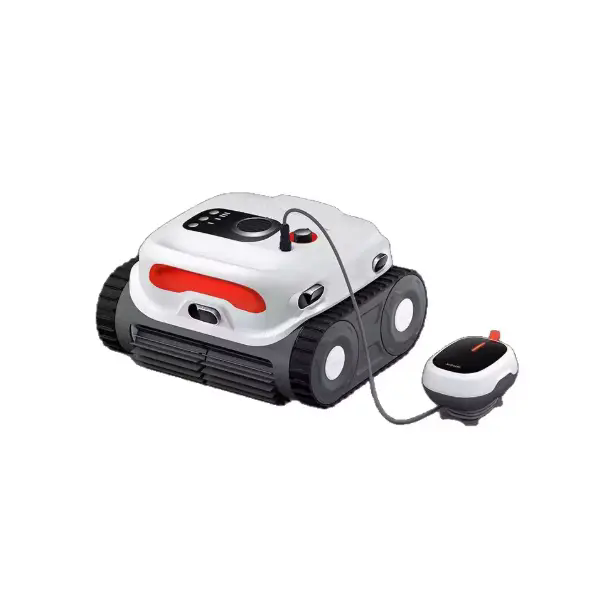
A modern Swimming Pool Cleaner offers an efficient solution by automating much of the cleaning process. Whether for residential pools, hotels, resorts, or commercial aquatic facilities, the right cleaner can significantly reduce labor requirements while maintaining excellent water conditions.
In this comprehensive guide, we explore how swimming pool cleaners work, their key benefits, different types available, important buying considerations, and how businesses and homeowners can maximize their investment.
Article Summary
Swimming pool cleaners are designed to remove debris, dirt, and contaminants from pool floors, walls, and water surfaces. By automating routine maintenance, they help pool owners save time, improve water quality, reduce chemical consumption, and extend the lifespan of filtration equipment. Understanding the various cleaner types and selecting the right model can dramatically improve pool maintenance efficiency.
Table of Contents
- Why Is a Swimming Pool Cleaner Important?
- Common Pool Maintenance Challenges
- How Does a Swimming Pool Cleaner Work?
- Types of Swimming Pool Cleaners
- Key Benefits of Using a Swimming Pool Cleaner
- Comparison of Different Cleaner Types
- How to Choose the Right Swimming Pool Cleaner
- Maintenance Tips for Better Performance
- Applications Across Different Pool Environments
- Future Trends in Pool Cleaning Technology
- Frequently Asked Questions
- Conclusion
Why Is a Swimming Pool Cleaner Important?
Pool owners often underestimate how quickly contaminants accumulate in pool water. Wind, rain, swimmers, nearby landscaping, and environmental pollution continuously introduce debris into the pool.
Without regular cleaning, pools may experience:
- Cloudy water
- Algae growth
- Increased chemical consumption
- Blocked filtration systems
- Unpleasant swimming conditions
- Higher maintenance costs
- Reduced equipment lifespan
A reliable swimming pool cleaner helps maintain a cleaner and healthier environment while reducing manual effort.
Common Pool Maintenance Challenges
Many pool owners face recurring maintenance problems that consume both time and money.
| Challenge | Impact | Potential Cost |
|---|---|---|
| Leaf Accumulation | Clogs filters and drains | Increased maintenance labor |
| Algae Formation | Poor water quality | Additional chemicals required |
| Dirt and Sand Build-Up | Damages filtration systems | Equipment wear |
| Manual Cleaning | Time-consuming | Higher labor expenses |
| Uneven Cleaning | Missed contamination areas | Frequent maintenance cycles |
Automated swimming pool cleaners address these issues through consistent and scheduled cleaning operations.
How Does a Swimming Pool Cleaner Work?
Swimming pool cleaners use different technologies to collect debris and clean pool surfaces. Depending on the model, they may operate through suction power, water pressure, or independent electric motors.
Most cleaning systems perform the following functions:
- Navigate across the pool floor.
- Capture dirt, leaves, and debris.
- Brush surfaces to remove contaminants.
- Filter collected particles.
- Improve water circulation.
Advanced robotic units may also climb walls, clean waterlines, and optimize cleaning routes through intelligent navigation systems.
Types of Swimming Pool Cleaners
Choosing the correct cleaner starts with understanding the major categories available on the market.
| Type | Power Source | Advantages | Best For |
|---|---|---|---|
| Suction Cleaner | Pool Pump | Affordable and simple | Small residential pools |
| Pressure Cleaner | Water Pressure | Strong debris collection | Medium to large pools |
| Robotic Cleaner | Electric Motor | High efficiency and automation | Residential and commercial pools |
| Manual Cleaner | Human Operation | Low initial investment | Occasional cleaning tasks |
Robotic cleaners are increasingly popular because they provide superior cleaning performance while minimizing energy consumption.
Key Benefits of Using a Swimming Pool Cleaner
Investing in a quality swimming pool cleaner delivers numerous operational and financial advantages.
- Reduced Labor: Automated cleaning eliminates many manual tasks.
- Improved Water Quality: Consistent debris removal helps maintain balanced water conditions.
- Lower Chemical Usage: Cleaner water often requires fewer corrective chemical treatments.
- Equipment Protection: Reduced debris load protects pumps and filtration systems.
- Enhanced Pool Appearance: A clean pool creates a more inviting environment.
- Energy Savings: Advanced models are designed for efficient operation.
- Time Efficiency: Owners spend less time maintaining their pools.
For commercial operators, these benefits can translate into substantial annual savings and improved customer satisfaction.
Comparison of Different Cleaner Types
| Feature | Suction | Pressure | Robotic |
|---|---|---|---|
| Cleaning Efficiency | Medium | Good | Excellent |
| Energy Consumption | Uses Pool Pump | Moderate | Low |
| Wall Climbing Ability | Limited | Some Models | Excellent |
| Ease of Use | Good | Good | Excellent |
| Maintenance Requirements | Moderate | Moderate | Low |
| Automation Level | Basic | Medium | Advanced |
How to Choose the Right Swimming Pool Cleaner
Selecting the appropriate cleaner depends on several factors.
1. Pool Size
Larger pools generally benefit from robotic or pressure-side cleaners that can efficiently cover extensive areas.
2. Pool Shape
Complex pool layouts require advanced navigation capabilities to ensure complete cleaning coverage.
3. Debris Type
Pools surrounded by trees may require cleaners with larger debris collection capacity.
4. Budget Considerations
While robotic cleaners typically involve higher upfront costs, they often provide lower long-term maintenance expenses.
5. Frequency of Use
Pools used daily require more robust and automated cleaning solutions.
6. Energy Efficiency
Look for models designed to maximize cleaning performance while minimizing electricity consumption.
Maintenance Tips for Better Performance
Even the best swimming pool cleaner requires routine maintenance to deliver optimal results.
- Clean filters regularly.
- Inspect brushes and wheels for wear.
- Remove trapped debris after each cleaning cycle.
- Store equipment properly during off-seasons.
- Check cables and connectors periodically.
- Follow manufacturer maintenance recommendations.
Preventive maintenance helps extend equipment lifespan and maintain cleaning efficiency.
Applications Across Different Pool Environments
Swimming pool cleaners are widely used in various settings:
- Private residential pools
- Luxury villas
- Hotels and resorts
- Community swimming pools
- Sports facilities
- Educational institutions
- Water parks
- Commercial aquatic centers
Each application benefits from improved cleanliness, reduced operational costs, and enhanced user experiences.
Future Trends in Pool Cleaning Technology
The swimming pool cleaning industry continues to evolve with technological advancements.
- Smart navigation systems
- Artificial intelligence route optimization
- Mobile app connectivity
- Remote monitoring capabilities
- Enhanced energy efficiency
- Improved filtration technologies
- Eco-friendly operational features
These innovations are making pool maintenance easier, more reliable, and increasingly cost-effective for pool owners worldwide.
Frequently Asked Questions
Q1: How often should a swimming pool cleaner be used?
Most residential pools benefit from cleaning two to three times per week, while commercial pools may require daily cleaning.
Q2: Can a swimming pool cleaner remove algae?
Many advanced cleaners can help remove algae from pool surfaces, but severe algae problems may require additional treatment.
Q3: Are robotic pool cleaners energy efficient?
Yes. Modern robotic cleaners are designed to deliver powerful cleaning performance while consuming relatively little electricity.
Q4: Can pool cleaners clean walls and waterlines?
Many premium robotic models can climb walls and clean waterline areas effectively.
Q5: How long does a swimming pool cleaner typically last?
With proper maintenance, high-quality pool cleaners can provide reliable service for many years.
Q6: Is a robotic cleaner worth the investment?
For many pool owners, the reduction in labor, maintenance time, and long-term operating costs makes robotic cleaners an excellent investment.
Conclusion
A high-performance Swimming Pool Cleaner is one of the most valuable tools for maintaining a clean, safe, and attractive swimming environment. By automating routine cleaning tasks, reducing maintenance requirements, and improving water quality, these systems provide significant benefits for both residential and commercial pool operators.
As pool technology continues to advance, investing in the right cleaning solution can help maximize efficiency, lower operational costs, and enhance the overall swimming experience.
Ningbo Basy is committed to delivering reliable and innovative swimming pool cleaning solutions designed to meet the evolving needs of global customers. Whether you are searching for efficient pool maintenance equipment, advanced cleaning technology, or customized product support, our experienced team is ready to assist you.
Looking for a dependable Swimming Pool Cleaner that improves cleaning efficiency while reducing maintenance costs? Contact us today to discover how Ningbo Basy can help you find the ideal solution for your pool cleaning requirements. Our team is ready to provide professional recommendations, product information, and customized support for your business.