

How Does a Polishing Bonnet Improve Floor Cleaning Efficiency?
2026-02-04
Abstract: A polishing bonnet is a crucial tool in professional and domestic floor maintenance. This article explores how polishing bonnets enhance cleaning efficiency, extend the life of flooring materials, and simplify maintenance routines. Learn about different types of bonnets, their applications, usage tips, and key considerations for achieving optimal results.
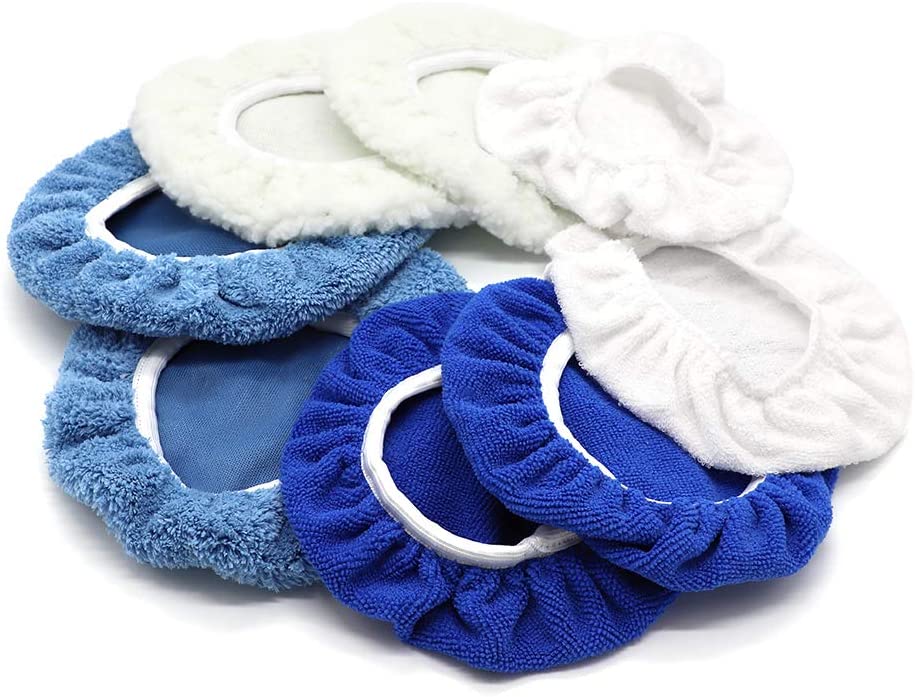
Table of Contents
- What is a Polishing Bonnet?
- Types of Polishing Bonnets
- Benefits of Using a Polishing Bonnet
- How to Select the Right Polishing Bonnet
- Polishing Bonnet Usage Tips
- Maintenance and Longevity
- FAQs About Polishing Bonnets
- Conclusion
What is a Polishing Bonnet?
A polishing bonnet is a microfiber or cotton pad attached to a floor buffer or polishing machine. It works by applying gentle friction to remove dirt, scuffs, and light scratches from hard floor surfaces. Unlike traditional cleaning methods, bonnets are reusable, cost-effective, and designed to improve the overall appearance and hygiene of floors.
Polishing bonnets are widely used in commercial spaces, hospitals, hotels, and residential areas where maintaining a shiny, clean floor is essential.
Types of Polishing Bonnets
Polishing bonnets come in various materials and styles to match specific cleaning requirements. The main types include:
| Type | Material | Usage | Benefits |
|---|---|---|---|
| Microfiber Bonnet | High-quality microfiber | Daily floor cleaning and light polishing | Efficient dirt pickup, gentle on surfaces |
| Cotton Bonnet | Natural cotton fibers | Polishing and burnishing tasks | Durable, maintains high-gloss finish |
| Foam Pad Bonnet | Dense foam with fiber coating | Buffing and light cleaning | Reduces streaks, uniform polishing |
| Disposable Bonnet | Non-woven fibers | One-time use for hygiene-sensitive areas | Convenient, prevents cross-contamination |
Benefits of Using a Polishing Bonnet
- Enhanced Cleaning Efficiency: Removes dust, dirt, and stains faster than manual mopping.
- Surface Protection: Gentle friction minimizes scratches and damage to flooring materials.
- Time-Saving: Speeds up cleaning routines, reducing labor costs.
- Eco-Friendly: Reusable bonnets reduce water and chemical consumption.
- Versatility: Suitable for a wide range of floor types, including tile, vinyl, and hardwood.
How to Select the Right Polishing Bonnet
Choosing the appropriate bonnet is crucial for achieving optimal cleaning results. Consider the following factors:
- Floor Type: Different floors require specific materials. Microfiber is ideal for daily cleaning, while cotton is better for polishing.
- Machine Compatibility: Ensure the bonnet fits the buffer or floor machine being used.
- Desired Finish: For high-gloss finishes, opt for high-density cotton or microfiber bonnets.
- Frequency of Use: Frequent cleaning may require more durable, reusable bonnets.
- Hygiene Requirements: In healthcare or food areas, disposable bonnets can prevent cross-contamination.
Polishing Bonnet Usage Tips
Proper use of polishing bonnets enhances performance and prolongs lifespan. Key tips include:
- Always vacuum or sweep the floor before using a bonnet to remove loose debris.
- Pre-moisten the bonnet with water or recommended cleaning solution for optimal dirt pickup.
- Use consistent overlapping motions to prevent streaks and uneven polishing.
- Check the bonnet periodically for wear and replace when fibers are frayed or compressed.
- Follow the manufacturer’s recommendations for speed and pressure settings on your polishing machine.
Maintenance and Longevity
Maintaining polishing bonnets correctly ensures extended usability and consistent results:
- Cleaning: Wash bonnets after every use using mild detergent and avoid fabric softeners.
- Drying: Air dry or use low-heat settings to prevent fiber damage.
- Storage: Store bonnets in a clean, dry area to avoid contamination and odors.
- Rotation: Rotate bonnets to evenly distribute wear across multiple pads.
FAQs About Polishing Bonnets
Q1: Can a polishing bonnet be used on all types of floors?
A: While bonnets are versatile, it is essential to select the appropriate material for your floor type. Microfiber is safe for most floors, whereas cotton or foam pads are better suited for polishing high-gloss surfaces.
Q2: How often should polishing bonnets be replaced?
A: Replacement depends on usage and wear. Reusable microfiber and cotton bonnets can last several months with proper maintenance, while disposable bonnets are designed for one-time use.
Q3: Are polishing bonnets safe for hardwood floors?
A: Yes, using a soft microfiber or cotton bonnet is safe for hardwood floors. Avoid abrasive pads or excessive machine pressure to prevent surface damage.
Q4: How do I prevent streaks during polishing?
A: Ensure the bonnet is clean, lightly moistened, and used with consistent overlapping movements. Avoid pressing too hard and maintain proper machine speed.
Conclusion
Polishing bonnets are an efficient, cost-effective, and environmentally friendly solution for maintaining clean and shiny floors. By choosing the right type of bonnet, following proper usage tips, and ensuring regular maintenance, both residential and commercial spaces can achieve optimal results. For premium-quality polishing bonnets, Aite provides a wide range of durable and effective options designed to meet professional cleaning needs.
Enhance your floor cleaning efficiency today with Aite polishing bonnets. Contact us to find the perfect solution for your facility or home.