

How Does a Self-Cleaning Pass Box Improve Contamination Control in Cleanroom Environments?
2026-01-23
Article Abstract
A Self-Cleaning Pass Box is an essential tool in maintaining contamination control in cleanrooms and sterile environments. It is designed to allow the transfer of materials between areas of different cleanliness levels without introducing contaminants. This article explores the design principles, technical specifications, operational benefits, and practical considerations of Self-Cleaning Pass Boxes. It also provides guidance for selecting the appropriate system, implementing maintenance protocols, and addressing common questions to ensure optimal performance in pharmaceutical, electronics, and laboratory settings.
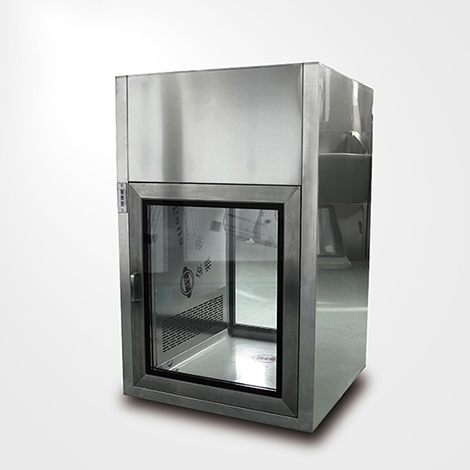
Table of Contents
- Article Outline
- Product Overview
- Design and Structural Components
- Technical Parameters
- Applications and Operational Considerations
- FAQ on Self-Cleaning Pass Boxes
- Conclusion and Contact Information
Article Outline
- Introduction to Self-Cleaning Pass Boxes and contamination control
- Design components and airflow management
- Material options and structural specifications
- Technical performance parameters and operational efficiency
- Application scenarios across industries
- Maintenance strategies and cleaning protocols
- Frequently asked questions with detailed answers
- Brand reference and contact guidance
Product Overview
A Self-Cleaning Pass Box is a controlled transfer chamber used to move materials between cleanrooms of differing cleanliness grades. Its primary purpose is to prevent cross-contamination by utilizing integrated cleaning mechanisms such as ultraviolet (UV) lamps, HEPA filtration, and air showers. By automating surface decontamination, it ensures a sterile passage of materials while reducing the manual cleaning burden on staff.
These systems are widely adopted in pharmaceutical manufacturing, electronics assembly, and laboratory environments where contamination control is critical. With modular design and high-quality materials, Self-Cleaning Pass Boxes balance reliability, ease of operation, and compliance with cleanroom standards.
Design and Structural Components
A standard Self-Cleaning Pass Box includes several interrelated structural elements, each critical for maintaining a contamination-free environment.
- Chamber body constructed with stainless steel or corrosion-resistant materials
- Interlocking doors with mechanical or electronic locking mechanisms
- High-efficiency particulate air (HEPA) filters to maintain sterile airflow
- Ultraviolet (UV) sterilization lamps for automatic surface disinfection
- Control panel for timing, sterilization cycles, and monitoring
- Optional sensors for detecting door status and airflow integrity
The design ensures that only one door can open at a time, preventing cross-contamination. Airflow patterns are strategically engineered to remove airborne particles while UV lamps sterilize internal surfaces between material transfers.
Technical Parameters
The performance of a Self-Cleaning Pass Box depends on its technical specifications, which are tailored to different cleanroom classifications.
| Parameter | Specification |
|---|---|
| Material | 304/316 Stainless Steel |
| Filtration | HEPA H14 / ULPA optional |
| UV Lamp Power | 15–30 W per lamp |
| Door Interlock | Single-door operation at a time |
| Control System | Electronic touch panel with sterilization timing |
| Size Options | Small, Medium, Large based on throughput requirements |
| Operational Temperature | 5°C–40°C |
| Power Supply | 220V / 50Hz standard, optional 110V |
Applications and Operational Considerations
Self-Cleaning Pass Boxes are suitable for various industries where strict contamination control is required. Key application areas include:
- Pharmaceutical production, transferring raw materials and packaging between cleanroom grades
- Electronics and semiconductor assembly, preventing particle contamination
- Laboratory research and medical facilities, maintaining sterile conditions during sample transfer
- Biotechnology manufacturing, ensuring aseptic operations for sensitive compounds
Operational considerations include ensuring proper installation, regular maintenance of UV lamps, HEPA filter replacement cycles, and monitoring door interlock functionality. Selecting the right size and configuration for the specific workflow ensures maximum efficiency and contamination control.
FAQ on Self-Cleaning Pass Boxes
Q: How does the self-cleaning function reduce manual labor?
A: By integrating UV sterilization and HEPA-filtered airflow, the system automatically disinfects the chamber interior between material transfers, reducing the need for manual cleaning.
Q: Can a Self-Cleaning Pass Box handle large or bulky items?
A: Yes. Models come in multiple size options, and modular designs can be customized for specific throughput and material dimensions.
Q: How often should HEPA filters be replaced?
A: HEPA filters typically require replacement every 12–24 months, depending on usage and environmental conditions. Routine checks are recommended to maintain optimal filtration efficiency.
Q: Is the system compatible with GMP and ISO cleanroom standards?
A: Yes. Self-Cleaning Pass Boxes are designed to comply with GMP and ISO cleanroom classifications, ensuring safe transfer of materials without compromising contamination control.
Conclusion and Contact Information
Self-Cleaning Pass Boxes provide an efficient and reliable method for transferring materials between cleanroom environments while minimizing contamination risks. By combining high-quality materials, interlocking doors, HEPA filtration, and UV sterilization, these systems streamline cleanroom operations and improve workflow safety.
Jinda offers high-performance Self-Cleaning Pass Boxes designed for pharmaceutical, electronics, and laboratory applications. For detailed product specifications, customized configurations, and operational guidance, contact us to discuss your requirements and learn how our solutions can optimize your cleanroom processes.