Article Summary
A vacuum cleaner has become an essential cleaning solution for homes, offices, hotels, and commercial environments because it helps remove dust, debris, allergens, and hidden dirt more efficiently than traditional cleaning methods. Understanding how a vacuum cleaner works can help users choose the right cleaning equipment, improve maintenance routines, and achieve a healthier indoor environment.
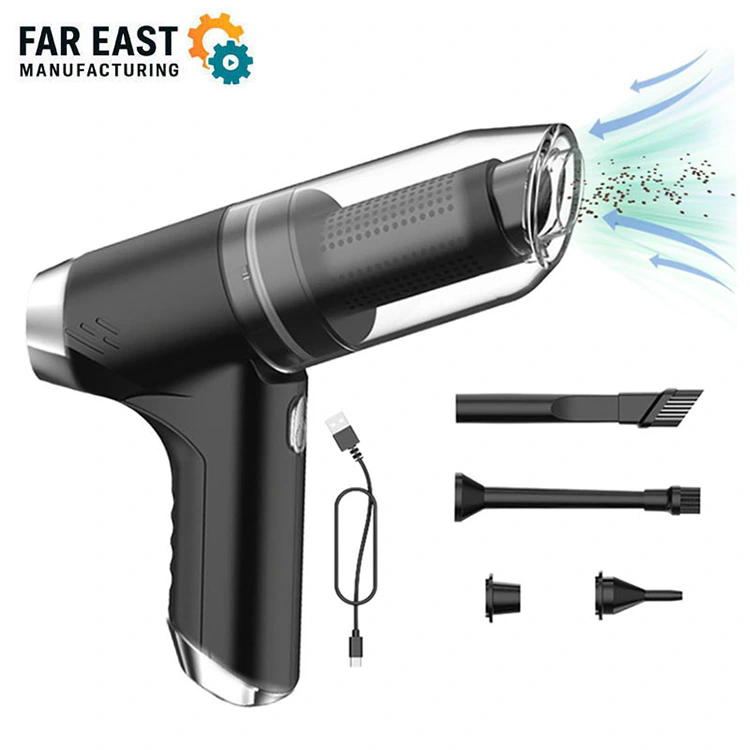
This article explains the working principles, key components, practical benefits, selection factors, and maintenance tips of modern vacuum cleaners. It also explores how Far East develops reliable vacuum cleaner solutions designed to meet different cleaning requirements and provide users with better performance, convenience, and durability.
1. Overview of Vacuum Cleaner Technology
Cleaning requirements have changed significantly as modern living spaces become more complex. Dust particles, pet hair, food residues, and microscopic pollutants can accumulate on floors, carpets, furniture, and hard-to-reach areas. Traditional cleaning tools often cannot completely remove these contaminants, creating a need for more efficient cleaning equipment.
A vacuum cleaner solves these challenges by using suction technology to collect unwanted particles into a dust container or collection bag. Instead of simply moving dirt around, it captures debris and improves overall cleaning quality. With continuous improvements in motor efficiency, filtration systems, and ergonomic designs, modern vacuum cleaners provide stronger performance while becoming easier to operate.
For residential users, vacuum cleaners help maintain comfortable living spaces. For commercial users, they support efficient facility management by reducing cleaning time and improving hygiene standards.
2. How Does a Vacuum Cleaner Work?
The operating principle of a vacuum cleaner is based on air pressure difference. The internal motor drives a fan that creates suction by reducing air pressure inside the machine. Higher atmospheric pressure outside pushes air, dust, and debris through the cleaning head and into the vacuum system.
The complete cleaning process generally includes several stages:
-
Air Intake: The cleaning head contacts the surface and collects dust, dirt, and particles through airflow.
-
Suction Generation: The motor and fan create negative pressure to pull debris into the machine.
-
Filtration: Filters separate dust particles from the airflow and prevent them from returning to the environment.
-
Collection: Dirt is stored inside a dust bag or dust container for convenient disposal.
-
Air Exhaust: Cleaned air exits through the filtration system.
The efficiency of a vacuum cleaner depends on the balance between suction power, airflow design, filtration quality, and component durability. A well-designed system provides consistent cleaning performance while reducing energy consumption.
3. Key Components That Make a Vacuum Cleaner Effective
A vacuum cleaner contains multiple components that work together to achieve effective cleaning results. Each part influences performance, reliability, and user experience.
|
Component
|
Function
|
Impact on Performance
|
|
Motor
|
Provides power for suction generation
|
Determines suction strength and operating efficiency
|
|
Fan System
|
Creates airflow and pressure difference
|
Improves dust collection capability
|
|
Filter System
|
Captures fine particles and protects internal parts
|
Enhances air quality and machine durability
|
|
Dust Container or Bag
|
Stores collected debris
|
Makes disposal easier and cleaner
|
|
Cleaning Attachments
|
Adapts cleaning performance to different surfaces
|
Improves versatility
|
A high-quality vacuum cleaner requires careful engineering of every component. Weak airflow design, inefficient filters, or low-quality materials can reduce cleaning ability and shorten product lifespan.
4. Why Is a Vacuum Cleaner Important for Modern Cleaning?
Many users face common cleaning problems, including limited cleaning time, difficult-to-remove dust, and inconsistent results. A vacuum cleaner provides practical solutions to these challenges.
-
Faster Cleaning Process: Powerful suction allows users to clean large areas in less time.
-
Better Dust Removal: Vacuum cleaners capture particles hidden in carpets, corners, and furniture surfaces.
-
Improved Indoor Environment: Efficient filtration helps reduce airborne dust and allergens.
-
Reduced Physical Effort: Ergonomic designs make cleaning easier compared with manual methods.
-
Multiple Application Options: Different accessories allow cleaning floors, sofas, vehicles, and other spaces.
For businesses, efficient vacuum cleaning equipment can improve workplace cleanliness while reducing labor costs. For families, it creates a healthier and more comfortable living environment.
5. Different Types of Vacuum Cleaners and Their Applications
|
Type
|
Main Features
|
Suitable Applications
|
|
Canister Vacuum Cleaner
|
Flexible hose design and strong suction performance
|
Homes, offices, and general cleaning tasks
|
|
Upright Vacuum Cleaner
|
Convenient operation for large floor areas
|
Carpets and commercial spaces
|
|
Handheld Vacuum Cleaner
|
Compact and lightweight design
|
Vehicles, furniture, and small areas
|
|
Industrial Vacuum Cleaner
|
Heavy-duty construction and high-capacity collection
|
Factories, workshops, and industrial environments
|
Selecting the correct vacuum cleaner type depends on cleaning frequency, environment, surface materials, and performance requirements. Understanding these differences helps users avoid choosing equipment that does not match their needs.
6. How to Choose the Right Vacuum Cleaner?
Choosing a suitable vacuum cleaner requires evaluating several important factors rather than focusing only on appearance or price.
-
Suction Performance: Check whether the machine provides sufficient power for the intended cleaning environment.
-
Filtration Quality: A reliable filtration system is important for capturing fine dust particles.
-
Noise Level: Lower operating noise improves user comfort, especially in homes and offices.
-
Capacity: Larger dust containers reduce the frequency of emptying.
-
Durability: High-quality materials and reliable manufacturing improve service life.
-
Maintenance Convenience: Easy filter cleaning and component replacement save time.
Professional manufacturers focus on balancing these factors to create vacuum cleaners that deliver stable performance in real-world applications.
7. Vacuum Cleaner Maintenance Tips for Long-Term Performance
Regular maintenance helps maintain suction efficiency and extends the service life of a vacuum cleaner.
-
Clean or replace filters according to usage frequency.
-
Empty the dust container before it becomes completely full.
-
Remove hair and debris from brushes and cleaning heads.
-
Check hoses and connections for blockages.
-
Store the vacuum cleaner in a dry and clean environment.
Ignoring maintenance can reduce airflow performance and increase motor stress. Simple maintenance routines can significantly improve reliability and cleaning efficiency.
8. How Far East Provides Reliable Vacuum Cleaner Solutions
Far East focuses on developing practical and dependable cleaning solutions that meet the changing requirements of global users. By emphasizing product quality, functional design, and manufacturing reliability, Far East provides vacuum cleaner products suitable for different application environments.
The company understands that users need more than basic cleaning equipment. They require products that deliver consistent suction performance, convenient operation, durable construction, and efficient maintenance. Through continuous improvement of product technology and production processes, Far East aims to provide vacuum cleaner solutions that help customers solve daily cleaning challenges.
Whether used for household cleaning, commercial environments, or specialized applications, reliable vacuum cleaner design can improve productivity and create cleaner spaces.
9. Frequently Asked Questions About Vacuum Cleaners
Q1: What is the main function of a vacuum cleaner?
A vacuum cleaner removes dust, dirt, debris, and particles from different surfaces by using suction airflow technology.
Q2: Why does a vacuum cleaner lose suction power?
Common reasons include a full dust container, blocked hose, dirty filter, or reduced motor performance. Regular maintenance can help restore efficiency.
Q3: How often should vacuum cleaner filters be cleaned?
Cleaning frequency depends on usage conditions. Homes with pets or heavy dust usually require more frequent filter maintenance.
Q4: Can a vacuum cleaner improve indoor air quality?
Yes. Vacuum cleaners with effective filtration systems can capture fine particles and reduce dust circulation during cleaning.
Q5: What should customers consider before purchasing a vacuum cleaner?
Customers should evaluate suction performance, filtration capability, capacity, durability, maintenance requirements, and application needs.
Conclusion
A vacuum cleaner is more than a simple cleaning device. It combines airflow technology, filtration systems, and efficient engineering to provide a smarter solution for modern cleaning challenges. By understanding how vacuum cleaners work and what features matter most, users can make better purchasing decisions and achieve better cleaning results.
Far East continues to focus on providing reliable vacuum cleaner solutions designed around customer needs, helping users achieve efficient, convenient, and long-lasting cleaning performance. For more information about our products and customized solutions, please contact us today.