

How Does a Washing Machine Pulsator Work and Why Is It Important for Better Laundry Performance?
2026-08-20
Article Summary
A washing machine pulsator is one of the most important internal components that determines cleaning efficiency, fabric protection, and overall washing performance. Although it may look like a simple rotating disc or plate at the bottom of a washing tub, the pulsator plays a critical role in creating water movement, improving detergent distribution, and removing dirt from clothes. Understanding how a washing machine pulsator works can help users choose suitable washing machines, identify common problems, and maintain better laundry results.
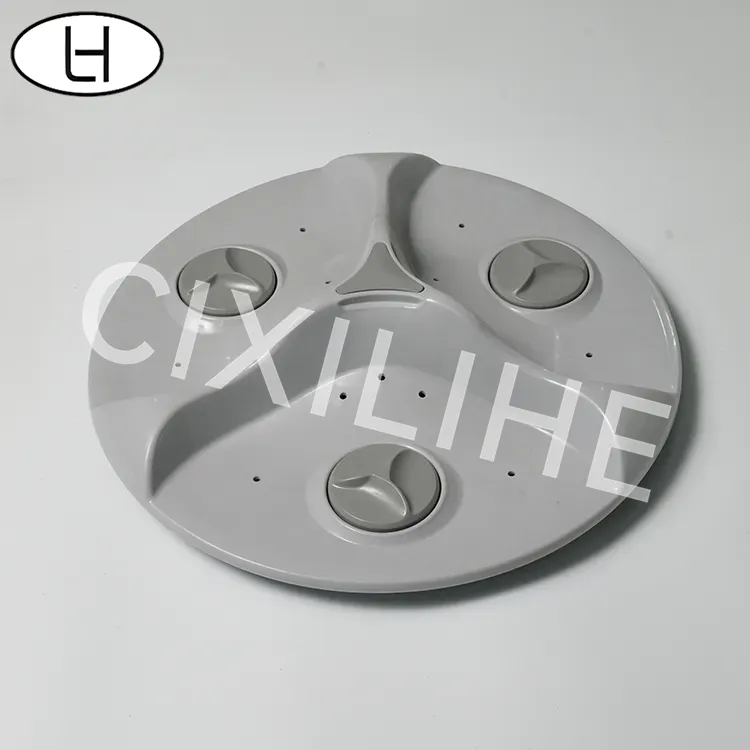
This article explains the working principle, structure, advantages, common issues, maintenance methods, and selection considerations of washing machine pulsators. With professional manufacturing experience, Cixi Lihe Electric Appliance Co., Ltd. provides reliable washing machine pulsator solutions designed to meet different washing equipment requirements and improve washing efficiency.
Table of Contents
- How Does a Washing Machine Pulsator Work?
- What Is the Structure of a Washing Machine Pulsator?
- Why Is a Washing Machine Pulsator Important?
- What Are the Different Types of Washing Machine Pulsators?
- What Common Problems Affect Washing Machine Pulsators?
- How Can You Maintain a Washing Machine Pulsator?
- How to Choose a Suitable Washing Machine Pulsator?
- Frequently Asked Questions About Washing Machine Pulsators
Article Outline
- Introduction: Understanding the role of pulsators in modern washing machines.
- Working Principle: Explaining how mechanical movement creates water flow and cleaning action.
- Product Structure: Analyzing the materials and design features of pulsators.
- Performance Benefits: Exploring how pulsators improve washing quality and efficiency.
- Maintenance Guide: Providing practical solutions for longer service life.
- Purchasing Guide: Helping manufacturers and users select appropriate pulsator solutions.
How Does a Washing Machine Pulsator Work?
The washing machine pulsator works by generating continuous water movement inside the washing tub. When the motor starts operating, it transfers power through the drive system to rotate the pulsator. The specially designed blades or grooves on the pulsator create strong water circulation, causing clothes and water to move together.
Unlike drum washing systems that mainly rely on tumbling movement, pulsator washing machines use a combination of rotation and water flow. This mechanical action helps separate dirt particles from fabric fibers while allowing detergent to reach different areas of clothing.
The working process can be divided into several stages:
- Power transmission: The motor transfers rotational force to the pulsator through the transmission mechanism.
- Water movement generation: The pulsator rotates and pushes water in different directions.
- Clothing movement: Clothes move with the water flow, creating friction that removes stains.
- Cleaning cycle completion: The controlled movement helps achieve balanced washing results.
A well-designed washing machine pulsator must achieve a balance between cleaning power and fabric protection. Excessive movement may damage delicate fabrics, while insufficient water circulation may reduce cleaning effectiveness. Therefore, precision design and material selection are essential for achieving reliable performance.
What Is the Structure of a Washing Machine Pulsator?
A washing machine pulsator consists of several structural elements that work together to create efficient water movement. Different manufacturers may use different designs, but most pulsators include similar basic features.
| Component | Function |
|---|---|
| Pulsator Body | The main rotating part that creates water movement and supports the overall structure. |
| Blades or Ribs | Generate directional water flow and increase washing efficiency. |
| Center Connection Area | Connects the pulsator with the drive shaft and transfers mechanical power. |
| Surface Design | Improves water circulation and reduces fabric damage during operation. |
| Material Structure | Provides strength, durability, and resistance to long-term washing conditions. |
High-quality pulsators usually require accurate molding technology, stable material performance, and strict production control. These factors directly influence product durability, noise level, and washing consistency.
Cixi Lihe Electric Appliance Co., Ltd. focuses on developing and manufacturing washing machine components with reliable quality control processes. The company provides washing machine pulsator products designed for different application requirements, helping customers achieve stable washing machine performance.
Why Is a Washing Machine Pulsator Important?
The pulsator directly affects the washing performance of an appliance. A properly designed pulsator improves cleaning efficiency while maintaining gentle treatment of fabrics. For washing machine manufacturers, selecting a suitable pulsator is essential for improving product competitiveness and customer satisfaction.
| Benefit | Explanation |
|---|---|
| Improved Cleaning Performance | Strong water circulation helps remove dirt, oil stains, and daily contaminants. |
| Better Detergent Distribution | Continuous water movement allows detergent to spread evenly throughout the washing area. |
| Fabric Protection | Optimized movement reduces unnecessary friction and protects clothing fibers. |
| Energy Efficiency | Efficient mechanical design can reduce washing time and energy consumption. |
| Stable Operation | Balanced structure helps reduce vibration and operating noise. |
For consumers, a high-quality pulsator means cleaner clothes and fewer maintenance problems. For manufacturers, it means producing washing machines with improved reliability and market acceptance.
What Are the Different Types of Washing Machine Pulsators?
Washing machine pulsators are available in various designs according to washing machine models, cleaning requirements, and user expectations. Different structures create different water flow patterns, which influence washing efficiency, noise performance, and fabric care ability.
Manufacturers usually select pulsator designs based on machine capacity, motor power, washing programs, and target markets. Understanding the differences between pulsator types helps businesses and users choose the right solution for their applications.
| Type of Pulsator | Main Features | Common Applications |
|---|---|---|
| Single Direction Pulsator | Rotates mainly in one direction to create continuous water movement. | Basic washing machines with simple washing functions. |
| Bidirectional Pulsator | Alternates rotation directions to improve clothing movement and cleaning coverage. | Modern household washing machines requiring better cleaning performance. |
| Double Layer Pulsator | Uses multiple structural layers to create stronger water circulation. | High-performance washing machines with larger capacity. |
| Multi-Blade Pulsator | Features specially designed blades to enhance water flow efficiency. | Machines requiring improved stain removal capability. |
The design of a pulsator is not only about rotation speed. Factors such as blade angle, surface shape, weight balance, and material strength all influence performance. A well-designed pulsator can provide strong cleaning action while minimizing unnecessary wear on clothing.
How Does Pulsator Design Affect Washing Performance?
The geometry of a washing machine pulsator determines how water moves inside the tub. Small changes in design can significantly influence washing results. Engineers consider multiple factors when developing pulsator structures to achieve the ideal balance between cleaning ability and user comfort.
- Blade Angle: The angle of the blades affects water direction and circulation strength. Proper blade design creates effective movement without excessive turbulence.
- Rotation Balance: A balanced pulsator reduces vibration and improves machine stability during operation.
- Surface Structure: Special grooves and patterns improve contact between water and clothing, helping detergent work more effectively.
- Material Selection: Durable materials help the pulsator withstand repeated washing cycles and changing operating conditions.
- Weight Optimization: Appropriate weight distribution supports smooth rotation and reduces energy waste.
For washing machine manufacturers, choosing a pulsator with suitable design characteristics can improve product quality and reduce after-sales maintenance costs.
What Common Problems Affect Washing Machine Pulsators?
Although washing machine pulsators are designed for long-term operation, they may experience performance issues after extended use. Understanding common problems allows users and maintenance teams to identify solutions quickly.
| Problem | Possible Cause | Recommended Solution |
|---|---|---|
| Pulsator Does Not Rotate | Motor failure, transmission problems, or damaged connection parts. | Inspect the drive system and replace damaged components when necessary. |
| Weak Water Movement | Worn blades, incorrect installation, or foreign objects blocking movement. | Clean the washing area and check pulsator condition. |
| Abnormal Noise | Loose components, imbalance, or accumulated debris. | Check installation accuracy and remove internal obstacles. |
| Reduced Cleaning Effect | Insufficient rotation performance or aging pulsator structure. | Evaluate whether replacement is required. |
| Visible Damage | Long-term wear, impact damage, or unsuitable materials. | Replace with a compatible high-quality pulsator. |
Regular inspection is important because small problems can gradually affect washing efficiency and increase operating costs. For commercial washing machine production, selecting dependable components from experienced suppliers can greatly reduce these risks.
How Can You Maintain a Washing Machine Pulsator?
Proper maintenance helps extend the service life of a washing machine pulsator and ensures consistent washing performance. Although pulsators generally require limited maintenance, several practical steps can prevent common failures.
- Clean Regularly: Remove detergent residue, lint, and foreign materials around the pulsator area.
- Avoid Overloading: Excessive clothing weight increases mechanical pressure on the pulsator and drive system.
- Use Suitable Detergent: Excessive detergent may create residue that affects water movement.
- Check Unusual Sounds: Early inspection can prevent small problems from developing into major failures.
- Follow Installation Requirements: Correct installation ensures stable operation and reduces unnecessary stress.
For manufacturers, maintenance considerations begin during product design. Choosing a durable washing machine pulsator with accurate dimensions and stable material properties can improve the entire appliance lifecycle.
How to Choose a Suitable Washing Machine Pulsator?
Selecting the right washing machine pulsator requires consideration of multiple technical factors. Whether for replacement purposes or new washing machine production, compatibility and performance should be carefully evaluated.
| Selection Factor | Why It Matters |
|---|---|
| Compatibility | The pulsator size and connection design must match the washing machine structure. |
| Material Quality | High-quality materials improve durability and resistance to long-term operation. |
| Manufacturing Precision | Accurate production ensures stable rotation and reliable performance. |
| Application Requirements | Different washing machines may require different water movement characteristics. |
| Supplier Experience | Professional manufacturers provide better technical support and product consistency. |
When selecting a supplier, companies should evaluate production capability, quality management, customization options, and technical experience. A reliable partner can provide solutions that match specific washing machine designs.
Cixi Lihe Electric Appliance Co., Ltd. provides washing machine pulsator solutions with attention to product reliability, manufacturing accuracy, and application flexibility. Through continuous improvement of production technology, the company supports customers seeking stable and efficient washing machine components.
What Are the Advantages of Using a High-Quality Washing Machine Pulsator?
A high-quality washing machine pulsator directly contributes to better appliance performance, longer service life, and improved user experience. Since the pulsator operates continuously during every washing cycle, its structural quality and manufacturing precision have a significant impact on the reliability of the entire washing machine.
Low-quality pulsators may lead to unstable rotation, poor water circulation, increased noise, and premature component failure. In contrast, a well-designed pulsator provides consistent mechanical performance and helps washing machines achieve better cleaning results.
| Advantage | Impact on Washing Machines |
|---|---|
| Enhanced Cleaning Ability | Optimized water flow improves contact between water, detergent, and fabrics, helping remove stubborn dirt more effectively. |
| Longer Component Lifespan | Durable materials and precise manufacturing reduce wear caused by repeated operation. |
| Lower Operating Noise | Balanced rotation helps minimize vibration and creates a quieter washing experience. |
| Improved Energy Efficiency | Efficient water movement allows the machine to achieve effective washing performance with optimized power consumption. |
| Better Customer Satisfaction | Reliable washing performance reduces complaints and improves product reputation. |
For washing machine manufacturers, investing in dependable components is an important step toward creating competitive products. The pulsator may be a small part of the washing system, but its influence on overall performance is substantial.
How Is a Washing Machine Pulsator Manufactured?
The manufacturing process of a washing machine pulsator involves multiple stages to ensure dimensional accuracy, structural strength, and reliable performance. Professional production requires careful control of materials, molding processes, surface treatment, and quality inspection.
A typical manufacturing process includes the following steps:
- Material Preparation: Suitable engineering materials are selected according to strength requirements, environmental conditions, and product specifications.
- Molding Process: Advanced molding technology is used to create the basic pulsator shape with accurate dimensions.
- Surface Processing: The product surface is refined to improve appearance, smoothness, and operational reliability.
- Dimensional Inspection: Key measurements are checked to ensure compatibility with washing machine structures.
- Performance Testing: Products are evaluated for strength, balance, and operational stability before delivery.
Manufacturing accuracy is especially important because even small dimensional differences can influence installation and rotation performance. Experienced suppliers use strict production management methods to maintain consistent product quality.
Cixi Lihe Electric Appliance Co., Ltd. focuses on producing reliable washing machine components by combining manufacturing expertise with quality control standards. The company provides pulsator products designed to meet different customer requirements and application scenarios.
How Can Businesses Benefit From Choosing the Right Washing Machine Pulsator Supplier?
For appliance manufacturers and distributors, supplier selection affects not only product quality but also production efficiency, customer satisfaction, and long-term business development. A professional washing machine pulsator supplier can provide more than standard components by offering technical support and customized solutions.
| Supplier Capability | Business Benefit |
|---|---|
| Stable Production Capacity | Ensures continuous supply and reduces production delays. |
| Quality Control System | Helps maintain consistent product performance across different batches. |
| Customization Ability | Allows products to match specific washing machine designs. |
| Technical Experience | Provides professional suggestions for improving product compatibility. |
| Reliable Communication | Makes cooperation smoother and supports long-term partnerships. |
A trustworthy supplier understands that different washing machine models require different pulsator characteristics. Factors such as washing capacity, motor configuration, tub structure, and target market should all be considered during product development.
By cooperating with experienced manufacturers, businesses can reduce development risks and create washing machines with better market performance.
What Factors Influence the Service Life of a Washing Machine Pulsator?
The service life of a washing machine pulsator depends on several factors, including material quality, operating conditions, installation accuracy, and maintenance practices. Understanding these factors helps users and manufacturers maximize product performance.
- Material Durability: Strong materials provide better resistance against repeated mechanical stress and water exposure.
- Production Accuracy: Precise manufacturing reduces imbalance and unnecessary pressure during rotation.
- Correct Installation: Proper installation prevents abnormal movement and connection problems.
- Operating Conditions: Avoiding excessive loads and improper usage reduces mechanical stress.
- Regular Maintenance: Routine cleaning helps prevent residue buildup and performance decline.
Manufacturers should consider the complete operating environment when selecting pulsator components. A product designed for long-term stability can reduce maintenance requirements and improve user satisfaction.
Frequently Asked Questions About Washing Machine Pulsators
FAQ
Q1: What is the main function of a washing machine pulsator?
A washing machine pulsator creates water movement inside the washing tub. Its rotation helps mix water, detergent, and clothing together, allowing dirt to be removed more effectively during the washing process.
Q2: How often should a washing machine pulsator be replaced?
There is no fixed replacement period because service life depends on usage frequency, washing conditions, and product quality. Replacement is usually considered when there are signs of damage, abnormal noise, or reduced washing performance.
Q3: Can a damaged pulsator affect washing results?
Yes. A damaged or worn pulsator may reduce water circulation efficiency, resulting in weaker cleaning performance and uneven washing results.
Q4: What materials are commonly used for washing machine pulsators?
Many washing machine pulsators are manufactured using durable engineering materials that provide strength, stability, and resistance to long-term washing conditions.
Q5: Why should manufacturers choose professional pulsator suppliers?
Professional suppliers provide consistent product quality, technical support, and customized solutions that help washing machine manufacturers improve reliability and production efficiency.
Conclusion
The washing machine pulsator is a key component that determines water circulation, cleaning efficiency, and washing stability. Although it is a relatively small part, its design quality and manufacturing precision have a major influence on the overall performance of washing machines.
From structural design and material selection to manufacturing accuracy and maintenance requirements, every detail affects the final user experience. Choosing a reliable pulsator solution helps manufacturers create durable washing machines while helping users achieve cleaner and more efficient laundry results.
With professional experience in washing machine component manufacturing, Cixi Lihe Electric Appliance Co., Ltd. provides dependable washing machine pulsator products designed for different application needs. The company is committed to delivering quality solutions that support appliance manufacturers and customers worldwide.
If you are looking for reliable washing machine pulsator products with stable performance, professional manufacturing support, and customized solutions, please contact us today. Cixi Lihe Electric Appliance Co., Ltd. is ready to provide the right solution for your washing machine component requirements.