

How Does an Intelligent Fog Making System Improve Environmental Control and Visual Effects?
2026-03-17
Article Summary
An Intelligent Fog Making System is a modern solution designed to generate controlled mist or fog for industrial, environmental, and aesthetic applications. By integrating automation, sensors, and precision control technologies, these systems solve common challenges such as uneven fog distribution, excessive water consumption, and manual inefficiencies. This article explains how the system works, its key components, benefits, and how businesses can choose the right solution to meet operational and environmental demands.
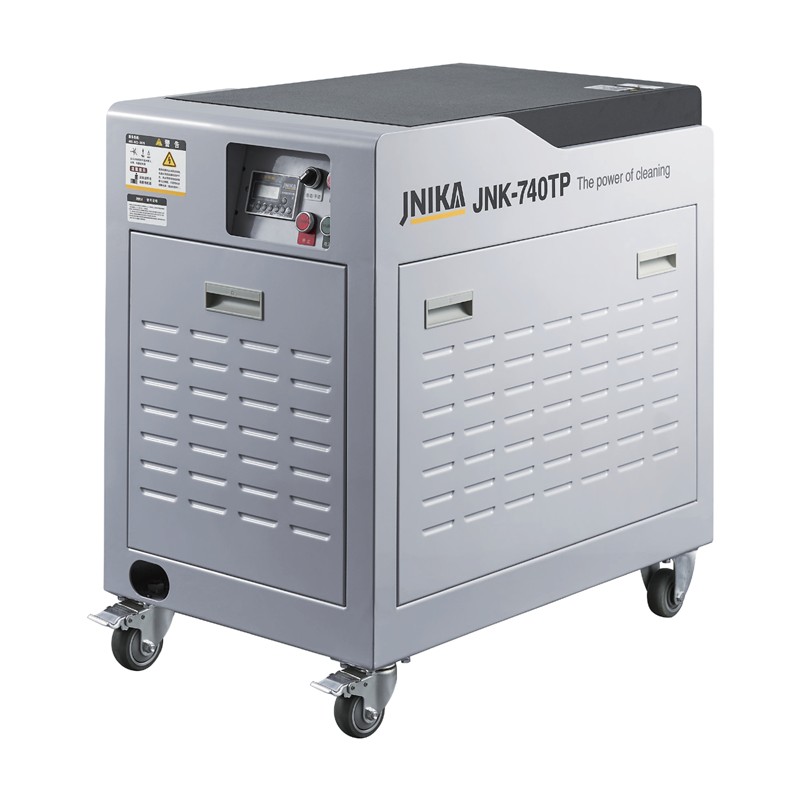
Table of Contents
- 1. What Is an Intelligent Fog Making System?
- 2. How Does the System Work?
- 3. Key Components and Functions
- 4. Major Applications Across Industries
- 5. Benefits Over Traditional Fog Systems
- 6. Product Parameters Overview
- 7. How to Choose the Right System
- 8. Common Challenges and Solutions
- 9. Frequently Asked Questions
- 10. Conclusion
1. What Is an Intelligent Fog Making System?
An Intelligent Fog Making System is an advanced mist-generation solution that uses automation and sensor-driven control to produce fine fog particles. Unlike conventional fogging systems, it integrates real-time monitoring, programmable logic, and adaptive output regulation.
These systems are widely used for:
- Dust suppression in industrial environments
- Cooling in outdoor and semi-open spaces
- Humidity control in agriculture and greenhouses
- Landscape and visual effect enhancement
- Odor control in waste management facilities
The integration of intelligent control ensures consistent performance while minimizing resource waste, making it a preferred solution for modern applications.
2. How Does the System Work?
The working principle of an Intelligent Fog Making System is based on high-pressure atomization combined with automated control logic.
The process includes the following steps:
- Water is pressurized through a high-pressure pump
- The pressurized water is forced through specialized nozzles
- Fine droplets (typically 5–20 microns) are generated
- Sensors monitor environmental conditions such as temperature, humidity, or dust levels
- The system adjusts output automatically based on real-time data
This closed-loop control mechanism ensures optimal fog density without overuse of water or energy.
3. Key Components and Functions
An Intelligent Fog Making System consists of several core components working in coordination:
| Component | Function |
| High-Pressure Pump | Generates the necessary pressure for atomization |
| Atomizing Nozzles | Convert water into ultra-fine mist particles |
| Control System | Automates operation and adjusts output |
| Sensors | Monitor environmental parameters in real time |
| Filtration Unit | Ensures water purity to prevent clogging |
| Piping Network | Distributes water efficiently across the system |
Each component is engineered for durability and efficiency, ensuring stable long-term operation even in demanding environments.
4. Major Applications Across Industries
The versatility of intelligent fog systems allows them to be used across multiple industries:
- Industrial Dust Control: Reduces airborne particles in mining, construction, and factories
- Agriculture: Maintains optimal humidity for crops and livestock
- Commercial Cooling: Lowers ambient temperature in outdoor spaces such as restaurants and parks
- Landscape Design: Creates visually appealing fog effects for tourism and architecture
- Waste Management: Neutralizes odors and improves air quality
Companies like JNIKA provide customized solutions tailored to these specific applications, ensuring optimal performance in diverse environments.
5. Benefits Over Traditional Fog Systems
Compared to conventional fogging methods, intelligent systems offer significant advantages:
- Automated operation reduces labor costs
- Precise control minimizes water consumption
- Uniform fog distribution improves effectiveness
- Real-time adjustments enhance performance efficiency
- Reduced maintenance due to advanced filtration systems
These benefits directly address common customer pain points such as inefficiency, high operational costs, and inconsistent results.
6. Product Parameters Overview
| Parameter | Specification Range |
| Pressure Range | 50–100 bar |
| Droplet Size | 5–20 microns |
| Flow Rate | 1–20 L/min |
| Control Mode | Automatic / Manual / Remote |
| Power Supply | 220V / 380V |
| Material | Stainless Steel / Brass |
These parameters can vary depending on the application and customization requirements provided by manufacturers such as JNIKA.
7. How to Choose the Right System
Selecting the right Intelligent Fog Making System requires careful evaluation of operational needs:
- Define the primary application (cooling, dust suppression, etc.)
- Assess the coverage area and installation environment
- Consider automation level and control requirements
- Evaluate water quality and filtration needs
- Check system durability and maintenance requirements
A properly selected system ensures long-term efficiency and cost savings.
8. Common Challenges and Solutions
Despite their advantages, users may encounter certain challenges:
- Nozzle clogging: Use high-quality filtration systems
- Uneven fog distribution: Optimize nozzle placement and pressure
- Excessive water usage: Implement intelligent control settings
- System downtime: Schedule regular maintenance
Modern intelligent systems are designed to minimize these issues through automation and improved engineering.
9. Frequently Asked Questions
Q1: What is the ideal droplet size for effective fogging?
A: Typically, droplets between 5–20 microns provide optimal suspension in the air and maximum efficiency.
Q2: Can the system operate automatically?
A: Yes, intelligent systems are equipped with sensors and controllers that allow fully automated operation based on environmental conditions.
Q3: Is the system suitable for outdoor use?
A: Yes, most systems are designed with durable materials to withstand outdoor environments, including corrosion-resistant components.
Q4: How often does maintenance need to be performed?
A: Maintenance frequency depends on usage and water quality, but regular inspection and filter replacement are recommended.
10. Conclusion
An Intelligent Fog Making System represents a significant advancement in environmental control and visual enhancement technologies. By combining precision engineering with automated control, it addresses key operational challenges such as inefficiency, high resource consumption, and inconsistent performance.
With extensive experience in fog system solutions, JNIKA delivers reliable, high-performance systems tailored to a wide range of industrial and commercial applications. Whether for dust suppression, cooling, or aesthetic enhancement, investing in an intelligent fog system ensures long-term efficiency and measurable results.
For tailored solutions and professional guidance, contact us today to discover how JNIKA can optimize your fog system requirements and improve your operational efficiency.