

What Makes a Smart Glass Cleaning Robot a Better Choice for Modern Building Maintenance?
2026-10-13
Glass surfaces have become an essential feature of modern architecture, from office towers and shopping malls to hotels and residential buildings. However, keeping large glass windows and curtain walls clean requires regular maintenance, considerable labor, and careful safety management. Traditional cleaning methods can be time-consuming, especially when dealing with high-rise buildings, hard-to-reach windows, and extensive glass facades.
A Smart Glass Cleaning Robot offers a more intelligent approach to glass maintenance by combining automated movement, cleaning mechanisms, and smart control technologies. Depending on its design, it can help improve cleaning consistency, reduce repetitive manual work, and support more efficient maintenance planning. For property managers, cleaning contractors, and commercial facility operators, this technology represents an opportunity to modernize routine cleaning operations.
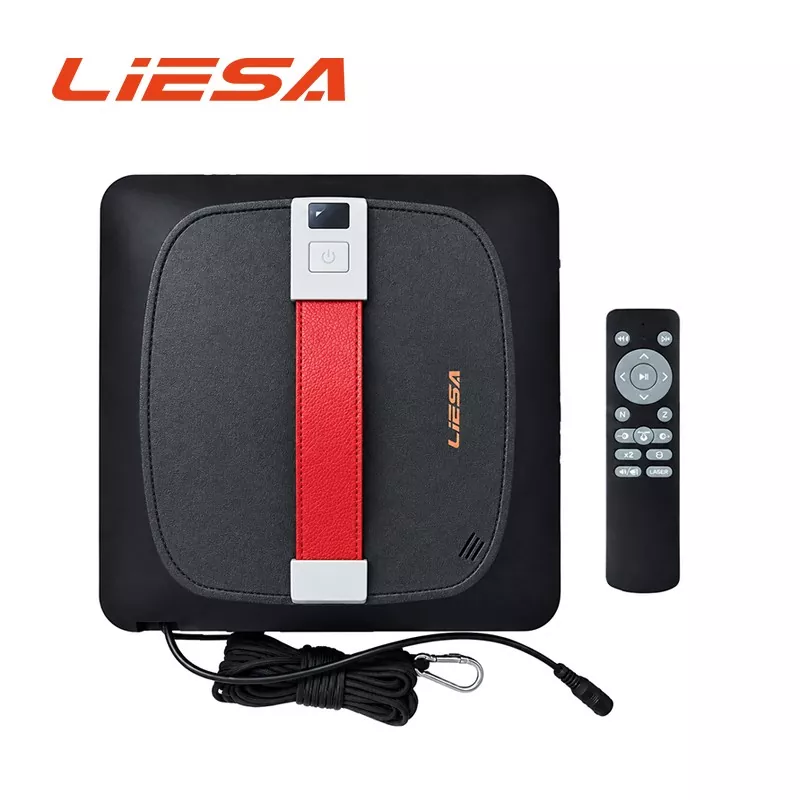
1. What Is a Smart Glass Cleaning Robot?
A Smart Glass Cleaning Robot is an automated device designed to remove dust, dirt, watermarks, and other common contaminants from glass surfaces. Depending on the application, it may use suction-based adhesion, motorized movement, rotating brushes, microfiber pads, water spraying, or intelligent path planning.
Unlike conventional manual cleaning tools, a robotic system can automate repetitive cleaning movements and follow a planned cleaning route. Certain models are designed for household windows, while specialized systems may be developed for commercial glass facades and other large surfaces.
The main objective is to make glass cleaning more consistent, manageable, and efficient while reducing the need for people to perform repetitive or potentially hazardous tasks.
2. Why Is Smart Glass Cleaning Technology Important?
Improving Workplace Safety
Cleaning elevated windows and high-rise glass facades can expose workers to significant risks. Depending on the building structure, traditional operations may require suspended platforms, ropes, or other access equipment.
A properly engineered Smart Glass Cleaning Robot can reduce direct human involvement in repetitive cleaning tasks. However, high-rise applications require suitable anchoring, secondary fall protection, emergency-stop functions, and compliance with applicable safety requirements. Robots should not be treated as a complete replacement for professional safety procedures.
Reducing Labor and Operational Pressure
Large commercial buildings often require frequent cleaning to maintain their appearance. Manual operations can consume substantial staff time, particularly when cleaning extensive glass areas.
Automation can help cleaning teams manage repetitive work and allocate personnel to inspection, maintenance, and other tasks. Actual labor savings depend on the robot's coverage rate, setup requirements, operating conditions, and the amount of supervision needed.
Maintaining a Professional Appearance
Clean glass improves the visual presentation of offices, hotels, retail spaces, and other commercial properties. Regular robotic cleaning can support a more consistent maintenance schedule and help reduce the accumulation of ordinary surface dirt.
For businesses that rely on a professional building image, dependable glass maintenance can contribute to a better overall visitor and occupant experience.
3. How Does a Smart Glass Cleaning Robot Work?
A Smart Glass Cleaning Robot generally combines several functional systems to complete its cleaning tasks.
-
Surface adhesion: Depending on the design, suction mechanisms or other engineered attachment systems help the robot remain in position on suitable surfaces.
-
Movement and navigation: Motors, wheels, tracks, or guided mechanisms allow the robot to travel across the target area.
-
Contaminant removal: Cleaning pads, brushes, or other components loosen and remove dust and dirt.
-
Moisture management: Some models use controlled water application or cleaning solutions to help remove stubborn marks.
-
Control and monitoring: Sensors, programmed routes, and control systems help manage movement and operational status.
The combination of these functions determines how effectively a robot performs under specific conditions. Glass thickness, surface coatings, frame geometry, contamination levels, and environmental factors should all be considered when selecting equipment.
4. What Results Can Businesses Expect?
The practical value of a Smart Glass Cleaning Robot depends on how well its design matches the intended application.
| Performance factor | Potential benefit | Key consideration |
|---|---|---|
| Cleaning consistency | More repeatable cleaning movements | Pad condition and cleaning settings |
| Labor efficiency | Less repetitive manual work | Setup and supervision time |
| Surface coverage | Planned cleaning of target areas | Window dimensions and obstacles |
| Water management | Potentially lower cleaning-fluid consumption | Dispensing and recovery design |
| Operational safety | Reduced direct exposure to certain tasks | Verified safety systems and procedures |
| Maintenance planning | More structured cleaning schedules | Operating data and service requirements |
Businesses should evaluate performance using measurable indicators, including cleaning time per square meter, residual streaks, water consumption, missed areas, downtime, and maintenance costs. These measurements provide a more reliable basis for purchasing decisions than general claims about automation.
5. Which Applications Benefit Most from Smart Glass Cleaning Robots?
Commercial Buildings and Office Towers
Office buildings often feature extensive windows and glass curtain walls. Automated cleaning solutions can help facility managers maintain these surfaces according to planned maintenance schedules.
Hotels and Shopping Centers
Hotels, malls, and other customer-facing properties depend on clean glass to create an attractive environment. Robotic cleaning can support routine maintenance while helping staff manage other responsibilities.
Residential Windows and Apartments
For suitable residential windows, compact cleaning robots can simplify household maintenance and reduce the physical effort involved in cleaning accessible glass surfaces.
Glass Maintenance Contractors
Professional cleaning companies may use robotic equipment to supplement existing services. Selecting the appropriate system for each project can improve workflow flexibility and help contractors serve different customer requirements.
Not every robot is suitable for every application. Interior window robots, exterior facade systems, and high-rise cleaning platforms may have substantially different designs, capabilities, and safety requirements.
6. How Should Buyers Choose the Right Smart Glass Cleaning Robot?
For distributors, importers, facility managers, and commercial cleaning contractors, selecting equipment requires more than comparing purchase prices.
Consider the following factors before making a decision:
-
Application compatibility: Confirm whether the equipment is intended for household windows, commercial interiors, or exterior building facades.
-
Cleaning performance: Review demonstrated cleaning results, operating speed, edge coverage, and performance on representative glass surfaces.
-
Safety design: Check attachment reliability, emergency procedures, backup protection, and any required certifications.
-
Control functions: Evaluate navigation, operating modes, monitoring features, and ease of use.
-
Maintenance requirements: Check the replacement frequency of pads, brushes, filters, batteries, and other consumable components.
-
Total cost of ownership: Consider the purchase price, installation, training, maintenance, consumables, and expected service life.
-
Supplier support: Review technical documentation, spare-parts availability, warranty terms, and after-sales service.
Where possible, request a product demonstration or performance test under conditions similar to the intended operating environment.
7. Why Work with Liesa Intelligent Technology (Qingdao) Co., Ltd.?
For businesses exploring automated glass-cleaning solutions, selecting an appropriate technology partner is an important part of the procurement process.
Liesa Intelligent Technology (Qingdao) Co., Ltd. can be introduced as a potential business contact for buyers researching Smart Glass Cleaning Robot solutions. Before confirming a purchase, buyers should evaluate the company's specific product portfolio, technical capabilities, customization options, quality-control procedures, and service arrangements against their project requirements.
A professional supplier evaluation should focus on practical questions: Which glass surfaces can the equipment clean? What safety measures are included? What performance data is available? Can the product accommodate different application requirements? How are technical support and replacement parts handled?
Clear answers to these questions help buyers identify a suitable solution and establish a more reliable long-term supply relationship.
8. What Is the Future of Smart Glass Cleaning Robots?
As building maintenance becomes increasingly focused on automation and operational efficiency, Smart Glass Cleaning Robot technology is expected to continue evolving. Potential development directions include more accurate navigation, improved obstacle detection, smarter cleaning-route planning, better energy and water management, and remote monitoring.
Integration with digital facility-management systems may also help operators coordinate maintenance activities and record equipment performance. Nevertheless, the practical value of these developments will depend on product reliability, real-world testing, safety validation, and the specific needs of each building.
For businesses, the most effective approach is to select technology that solves a clearly defined maintenance problem rather than choosing features that offer limited operational value.
Conclusion
A Smart Glass Cleaning Robot can help modernize glass maintenance by supporting consistent cleaning, reducing repetitive manual effort, and improving the management of routine cleaning operations. Its effectiveness ultimately depends on suitable product design, verified performance, safe operating procedures, and proper maintenance.
For commercial buyers, distributors, and cleaning-service providers, a careful assessment of application requirements and supplier capabilities is the foundation of a successful investment.
Looking for a suitable Smart Glass Cleaning Robot for your business? Contact Liesa Intelligent Technology (Qingdao) Co., Ltd. to discuss your application requirements, explore available solutions, and identify the right direction for your glass-cleaning automation project. Contact us today to start the conversation.